:WFDiF
The Documentary and Feature Film Studio at 21 Chełmska Street in Warsaw is a legendary institution where Polish films have been created for 75 years. It was founded in 1949, initially as a centre for documentary film production and the Polish Film Chronicle (PKF), soon becoming an important hub for feature filmmaking.
The Studio produced famous Polish documentaries and hundreds of PKF episodes. At Chełmska, the most important trends in Polish documentary cinema were born and flourished — from the first postwar productions, through the legendary “black series” and the most acclaimed documentaries of the 1960s, 70s, and 80s, to films made during the time of political transformation.
Filmmakers such as Andrzej Munk, Krzysztof Kieślowski, Jan Łomnicki, Tadeusz Makarczyński, Ludwik Perski, Maria Kwiatkowska, Władysław Ślesicki, Kazimierz Karabasz, Jerzy Hoffman, Edward Skórzewski, Marcel Łoziński, Paweł Kędzierski, Andrzej Brzozowski, Andrzej Titkow, Irena Kamieńska, and many others created their works here. The studios, laboratories, and editing rooms of the Wytwórnia have been the birthplace of iconic films by Andrzej Wajda, Jerzy Antczak, Krzysztof Zanussi, Krzysztof Kieślowski, Jerzy Hoffman, and more.
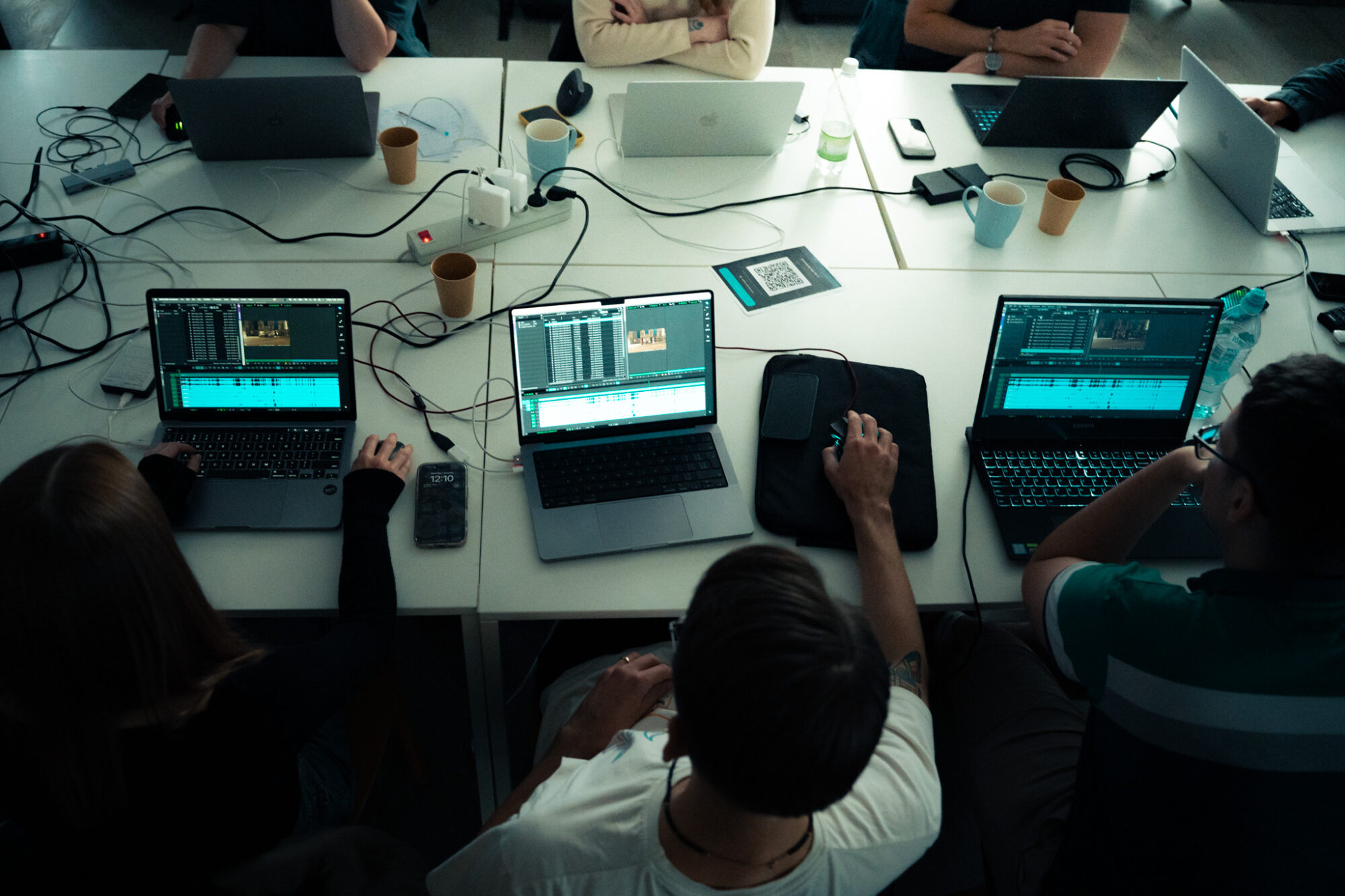
:workshopassistant:editor
What will be covered in the workshops (among others):
- What does the work of an assistant editor involve?
- Organising materials, folders and project structures
- Synchronising image and sound (multicam, clapperboards, timecode, etc.)
- Formats, exports, proxy files – step by step
- Backup, data security, post-production workflow
- From the set to the editing room – the real role of an assistant in film and television production
- Practical training with real materials – computer exercises
Co-financed by the Minister of Culture and National Heritage as part of the Creative Industries Development Centre’s own programme: Development of Creative Sectors
Read on...:workshop