:platige
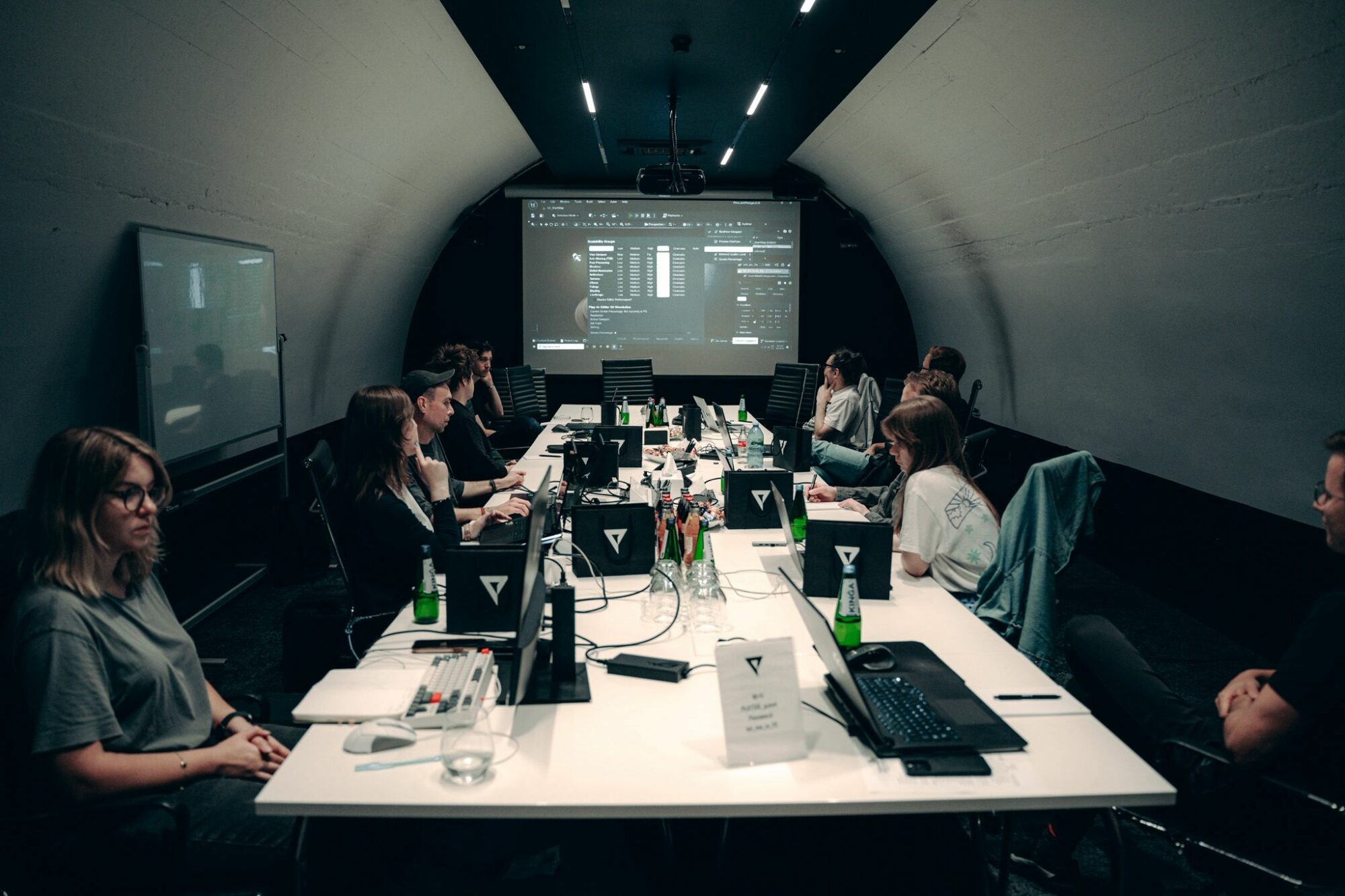
Platige is made up of over 300 producers, directors, art directors, animators, graphic designers, and VFX artists who can work wonders on both the big and small screen. We are constantly seeking new and engaging ways to tell stories through advanced technology, creating magical and unforgettable experiences every time.
We bring together more than 300 creative and technology specialists. Collaborating with experts from a wide range of industries, we deliver projects for leading brands around the world. Our company is structured into specialized departments dedicated
to different areas of our work: visual effects (VFX), advertising (Commercials), animation (Animation), events (Events), television branding and Vizrt technology (Broadcast), theatre and entertainment (Entertainment), and film production (Platige Films). We are continuously searching for new challenges and opportunities.
:workshopvfx:supervisor
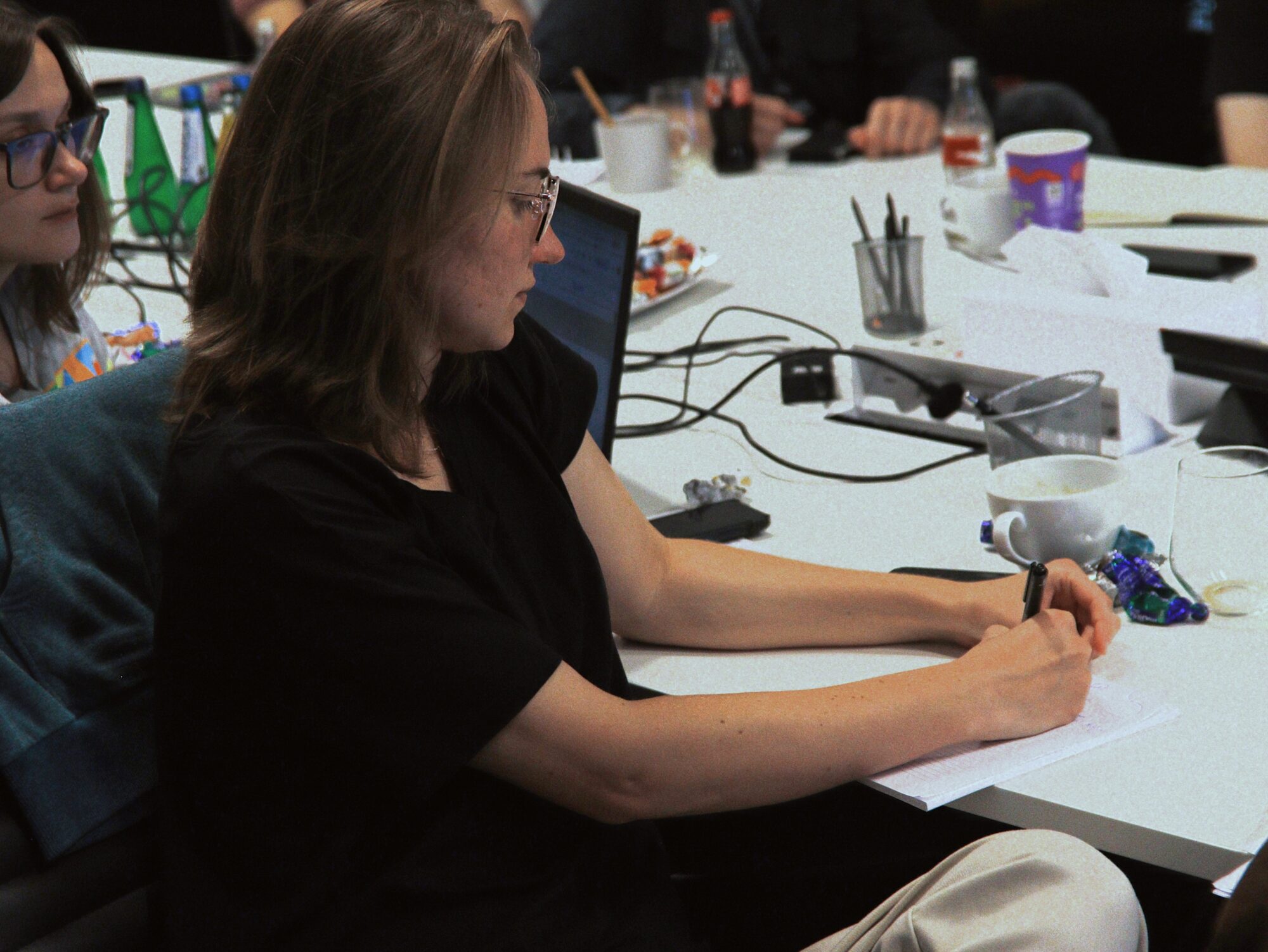
Workshops devoted to the role of the VFX Supervisor, supplemented by the perspective of the VFX producer, will allow participants to better understand how to effectively plan, supervise and implement visual effects in film and television productions.
During the classes, participants will learn about the theoretical aspects of the Supervisor’s work and analyse specific case studies, following the process of creating a selected sequence of VFX effects. The workshop programme also includes team exercises, a lecture by a VFX producer and a question and answer (Q&A) session.
Workshop programme:
Introduction: The role of the VFX Supervisor in the project lifecycle: discussion of the Supervisor’s tasks and responsibilities at each stage of production – from pre-production to post-production.
Collaboration with the director and producers at various stages of the project. How to effectively communicate the vision for visual effects (VFX) and integrate them with the director’s plan and the producers’ requirements.
Creating schedules, estimates and resource planning. A practical approach to VFX budget management, time planning and team organisation.
Creating and implementing VFX concepts. How visual effects concepts are developed, how to expand upon them, and how to ensure their implementation in production.
Managing a team of artists. Building workflow, delegating tasks, maintaining aesthetic and quality consistency of effects.
Case study: from brief to final effect. Analysis of a selected film/series sequence – from the brief stage, through planning, to the final result on screen.
Participant profile:
The workshops are aimed at individuals interested in visual effects in film production who wish to deepen their knowledge of the VFX management process in professional productions.
VFX assistants and coordinators who plan to develop towards the role of VFX producer and supervisor
VFX artists who want to broaden their perspective to include organisational, production and conceptual aspects
anyone who wants to learn about the VFX workflow from the point of view of someone who oversees the entire process from the perspective of a producer and supervisor
Co-financed by the Minister of Culture and National Heritage as part of the Creative Industries Development Centre’s own programme: Development of Creative Sectors.
Read on...:workshop
previz&layout:artistfrom storyboard to animation
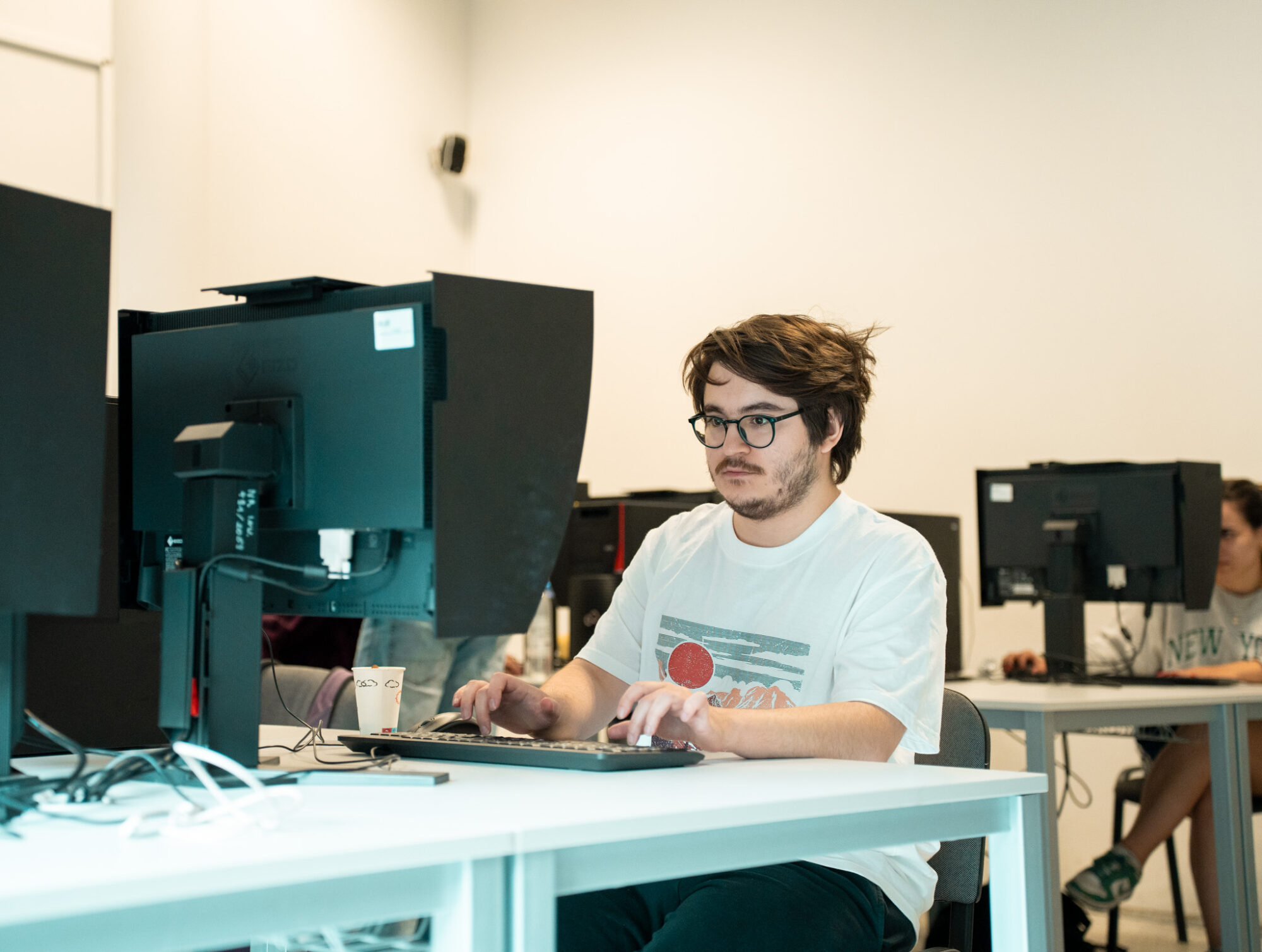
Workshops devoted to the role of the Previz & Layout artist in the process of creating animated films, game cinematics and VFX projects. Participants will learn how pre-visualisation and layout can be used to effectively plan visual narratives, optimise the production process and support the work of the creative team. The classes combine theory with practice, offering participants a case study analysis from production brief through planning and implementation.
Workshop programme:
- Introduction: The role of Previz & Layout in production planning. Discussion of how pre-visualisation supports the director and team in the stage of planning scenes and shaping the rhythm of the story through editing.
- Working with the director and storyboards. How to interpret storyboards, develop them and translate them into dynamic 3D shots.
- Building a visual narrative before animation begins. Creating a coherent visual message that supports the film’s drama even before animation production begins.
- Previz tools and workflow. An overview of the most important tools and technologies used in previsualisation.
- Case study: from brief to final effect. Analysis of a selected animation sequence – from the brief stage, through planning, to the final result on screen.
- Q&A session – an opportunity to discuss participants’ own projects.
Participant profile:
The workshops are aimed at people who want to explore the process of previsualisation and layout in film, animation and game cinematics productions. Participants should be interested in combining visual storytelling with technology and teamwork in a production environment.
- Aspiring Previz and Layout Artists who want to learn about the industry workflow,
- directors, animators, storyboard artists and editors, who want to better understand the preparatory stage before animation,
- students of film, animation and VFX
Co-financed by the Minister of Culture and National Heritage as part of the Creative Industries Development Centre’s own programme: Development of Creative Sectors
Read on...previz&layout:artistfrom storyboard to animation
Workshops devoted to the role of the Previz & Layout artist in the process of creating animated films, game cinematics and VFX projects. Participants will learn how pre-visualisation and layout can be used to effectively plan visual narratives, optimise the production process and support the work of the creative team. The classes combine theory with practice, offering participants a case study analysis from production brief through planning and implementation.
Workshop programme:
- Introduction: The role of Previz & Layout in production planning. Discussion of how pre-visualisation supports the director and team in the stage of planning scenes and shaping the rhythm of the story through editing.
- Working with the director and storyboards. How to interpret storyboards, develop them and translate them into dynamic 3D shots.
- Building a visual narrative before animation begins. Creating a coherent visual message that supports the film’s drama even before animation production begins.
- Previz tools and workflow. An overview of the most important tools and technologies used in previsualisation.
- Case study: from brief to final effect. Analysis of a selected animation sequence – from the brief stage, through planning, to the final result on screen.
- Q&A session – an opportunity to discuss participants’ own projects.
Participant profile:
The workshops are aimed at people who want to explore the process of previsualisation and layout in film, animation and game cinematics productions. Participants should be interested in combining visual storytelling with technology and teamwork in a production environment.
- Aspiring Previz and Layout Artists who want to learn about the industry workflow,
- directors, animators, storyboard artists and editors, who want to better understand the preparatory stage before animation,
- students of film, animation and VFX
Co-financed by the Minister of Culture and National Heritage as part of the Creative Industries Development Centre’s own programme: Development of Creative Sectors
Read on...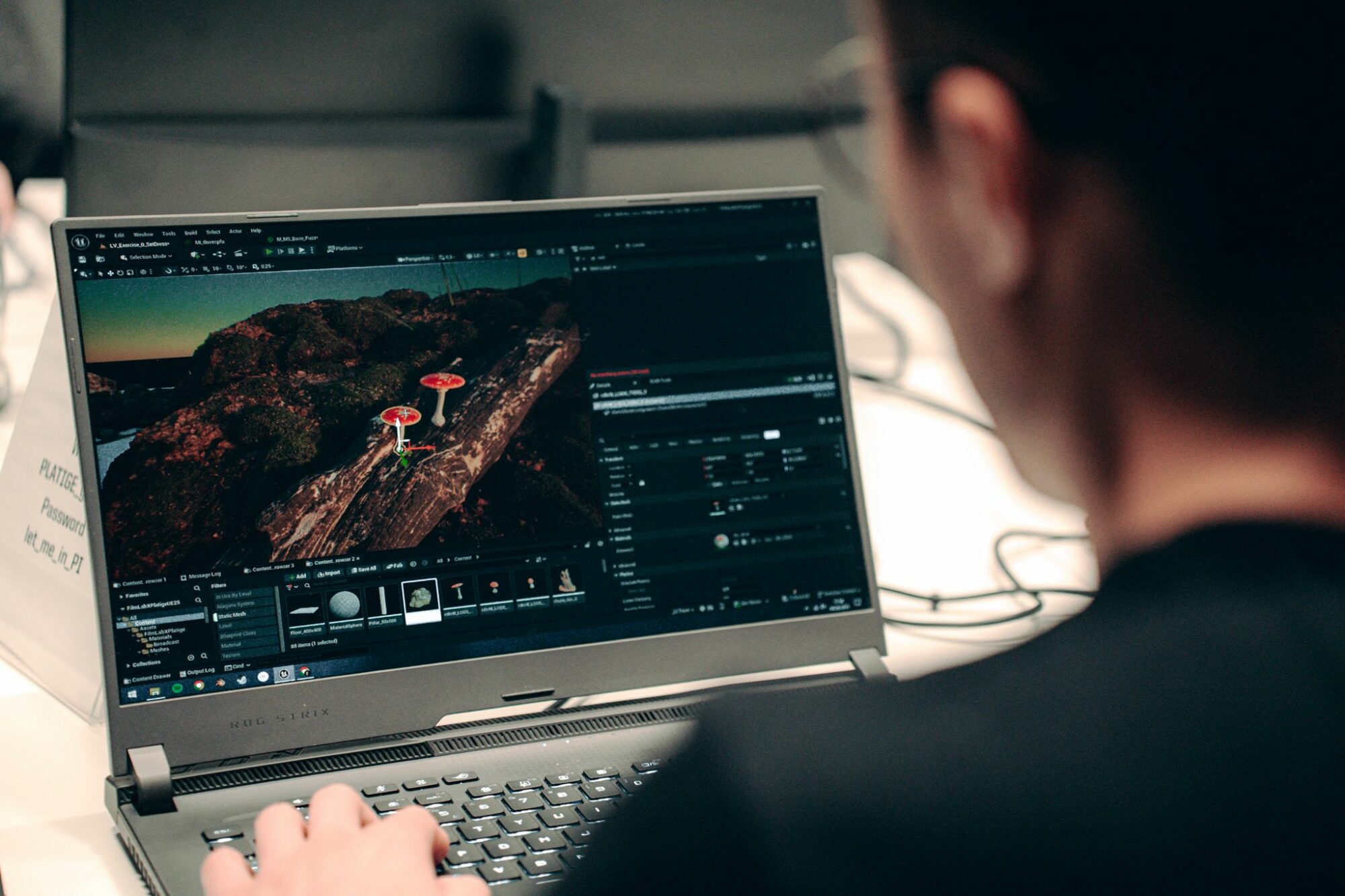
:workshopunreal:engine:generalist
Workshops devoted to creating film projects in the Unreal Engine 5 environment, which will introduce participants to the world of virtual film production and interactive 3D narratives. The classes take the form of practical exercises under the guidance of an expert. During the course, participants will build their own animated scene, developing skills that will enrich their portfolio.
Workshop programme
- Introduction to Unreal Engine 5 – learning about the interface, basic tools and workflow of the programme.
- Building a virtual environment – creating a 3D space, introducing models, lighting, cameras and characters.
- Creating a film narrative in UE5 – telling a visual story using shots, camera movement and frame composition.
- Cinematic Workflow – the basics of working with the sequencer, animation and preparing scenes for rendering.
- Exporting and finalising the project – correctly preparing and exporting material for presentation.
- Practical project – starting work on an animated scene based on references, from concept to render.
Workshop participant profile
The course is aimed at people who want to gain practical skills in creating cinematics in the Unreal Engine 5 environment. We invite:
- filmmakers and visual artists who want to expand their skills to include real-time production,
- 3D graphic designers and game developers interested in cinematic storytelling,
- students of animation, graphic design and film studies.
The workshop does not require advanced knowledge of UE5, just basic knowledge of 3D and a willingness to learn in an intensive, practical format.
Participants must bring their own equipment and the latest version of Unreal Engine 5.6.
Co-financed by the Minister of Culture and National Heritage as part of the Creative Industries Development Centre’s own programme: Development of Creative Sectors.
Read on...:workshop
:workshop