focus:puller
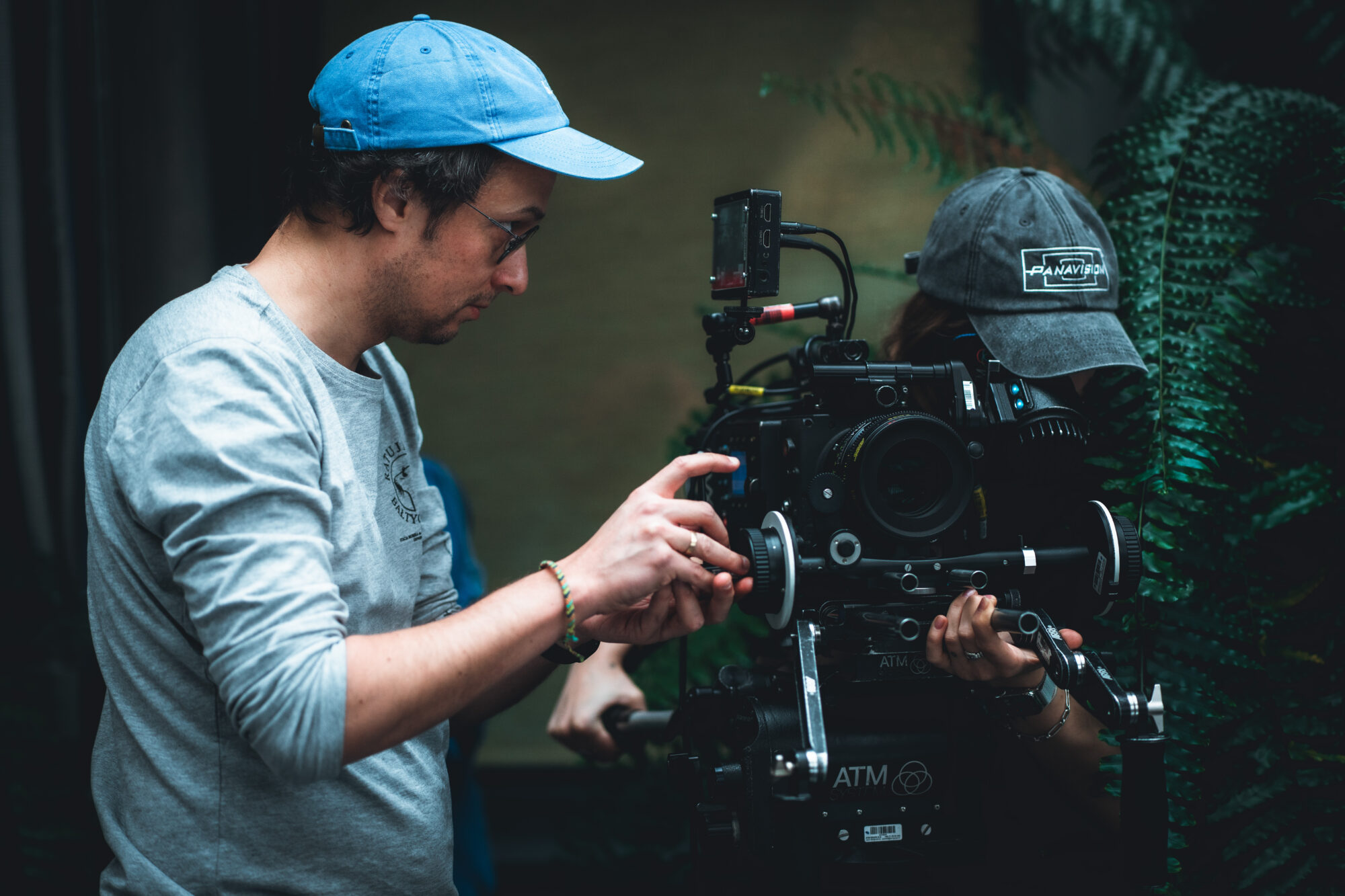
The workshop programme combines theory with intensive hands-on training using professional camera equipment. It includes, among other things, working with different focal lengths and apertures, remote focus control, changing lenses and filters, motor calibration, and cleaning optical elements. Special emphasis is placed on practical solutions and teamwork within the camera department, so that participants are prepared to work on a film set under demanding production conditions.
Day 1 – Fundamentals and Practical Camera Setup
Theory and practice of different camera setups (heights, angles, working from both sides of the camera).
Remote camera control and video monitoring (working with cable, gimbal, slider, platform).
Protecting equipment in difficult conditions (rain, cold, sun, humidity).
Working outdoors and indoors: night shoots, car rigs/driving shots, helicopter shots, boat shots.
Using monitors and video feeds, different types (OLED, TV), camera settings (ISO/sensitivity, frame rate, colour temperature).
Practical exercises: balancing the fluid head, leveling the tripod, manually pulling focus while moving.
Day 2 – Advanced Focus Puller Work
Depth of field, working with different focal lengths and apertures.
Remote focus pulling (WCU-4, mobile apps, original RED controllers).
Changing lenses and filters, motor calibration.
Handling and cleaning optics, filters, sensor.
Working with zoom lenses, macro, and detail shots in film.
Collaboration with the cinematographer and 2nd AD, actor marks.
Exercises: recording shots with remote control, playback of clips, working at different frame rates.
Read on...
sales:and:distribution:agreements13.12.2025 - online
This practical workshop explores the key principles and real-world applications of sales and distribution agreements in the film industry. Participants will gain a clear understanding of contract structures, rights and territories, negotiation strategies, and the relationship between producers, sales agents, and distributors. Examples of both sales and distribution agreements will be presented and discussed in detail during the session, helping participants translate theory into practice.
The workshop will demystify legal language and highlight best practices for securing fair and sustainable deals in international film markets.
Ideal for emerging producers, filmmakers, and professionals looking to strengthen their understanding of the business side of film.
Read on...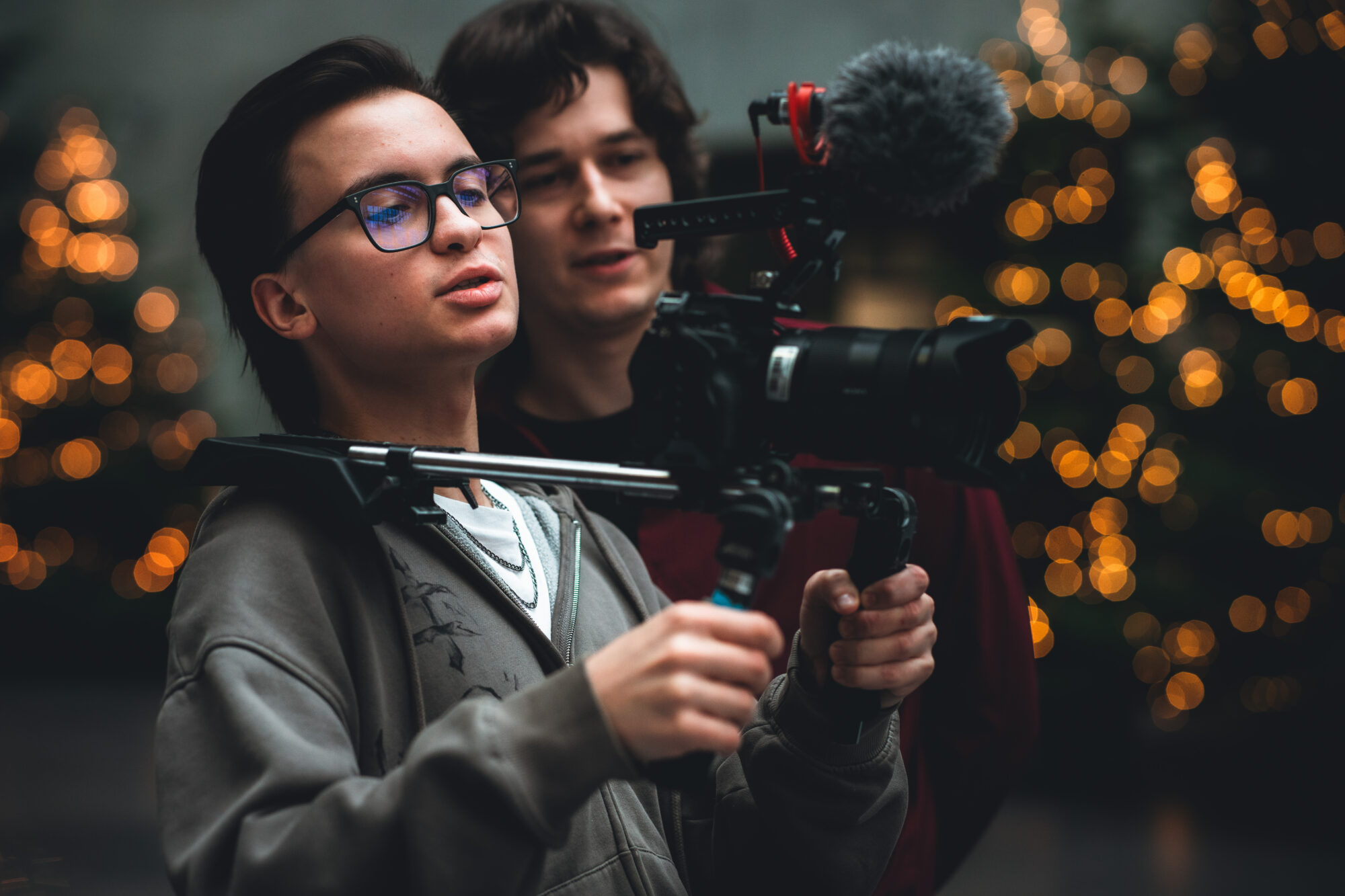
behind:the:scenes:filmmaker
Three-day workshop dedicated to the art of creating making-of / BTS (Behind the Scenes) materials – from concept to finished film.
Theoretical part:
On the first day, participants will learn about the specifics of working as a making-of filmmaker. They will explore the different purposes of behind-the-scenes materials, how to choose the right form for the intended function, and how to prepare for work on set. The session will cover tools, technical aspects of recording image and sound, the ethics of this role, communication with the crew and the client, as well as formal requirements and the post-production stage.
Practical part:
The second and third days will be dedicated to hands-on practice on a film set, where participants will independently create their own making-of materials under the supervision of the workshop leader.
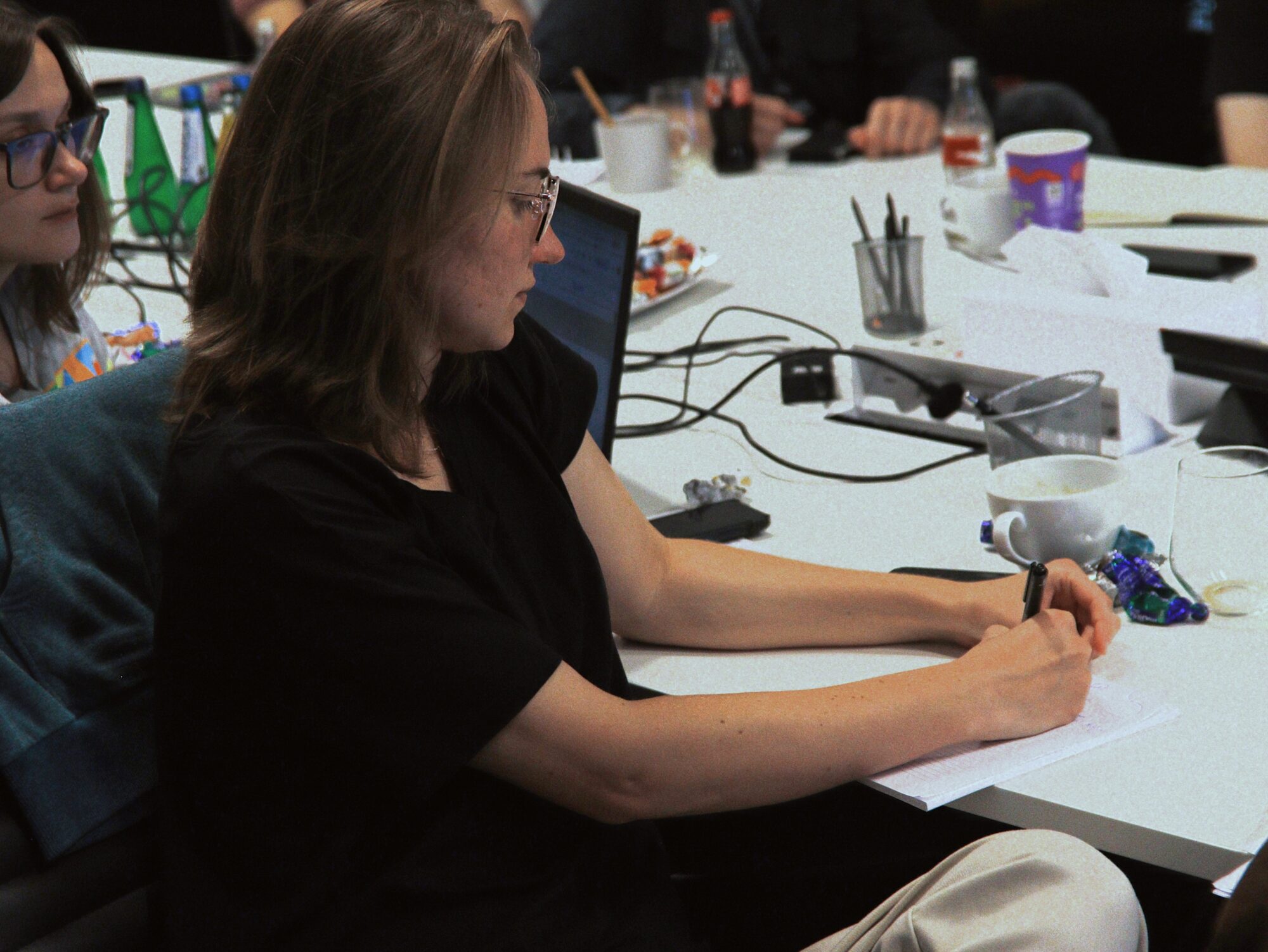
vfx:supervisor
Workshops devoted to the role of the VFX Supervisor, supplemented by the perspective of the VFX producer, will allow participants to better understand how to effectively plan, supervise and implement visual effects in film and television productions.
During the classes, participants will learn about the theoretical aspects of the Supervisor’s work and analyse specific case studies, following the process of creating a selected sequence of VFX effects. The workshop programme also includes team exercises, a lecture by a VFX producer and a question and answer (Q&A) session.
Workshop programme:
Introduction: The role of the VFX Supervisor in the project lifecycle: discussion of the Supervisor’s tasks and responsibilities at each stage of production – from pre-production to post-production.
Collaboration with the director and producers at various stages of the project. How to effectively communicate the vision for visual effects (VFX) and integrate them with the director’s plan and the producers’ requirements.
Creating schedules, estimates and resource planning. A practical approach to VFX budget management, time planning and team organisation.
Creating and implementing VFX concepts. How visual effects concepts are developed, how to expand upon them, and how to ensure their implementation in production.
Managing a team of artists. Building workflow, delegating tasks, maintaining aesthetic and quality consistency of effects.
Case study: from brief to final effect. Analysis of a selected film/series sequence – from the brief stage, through planning, to the final result on screen.
Participant profile:
The workshops are aimed at individuals interested in visual effects in film production who wish to deepen their knowledge of the VFX management process in professional productions.
VFX assistants and coordinators who plan to develop towards the role of VFX producer and supervisor
VFX artists who want to broaden their perspective to include organisational, production and conceptual aspects
anyone who wants to learn about the VFX workflow from the point of view of someone who oversees the entire process from the perspective of a producer and supervisor
Co-financed by the Minister of Culture and National Heritage as part of the Creative Industries Development Centre’s own programme: Development of Creative Sectors.
Read on...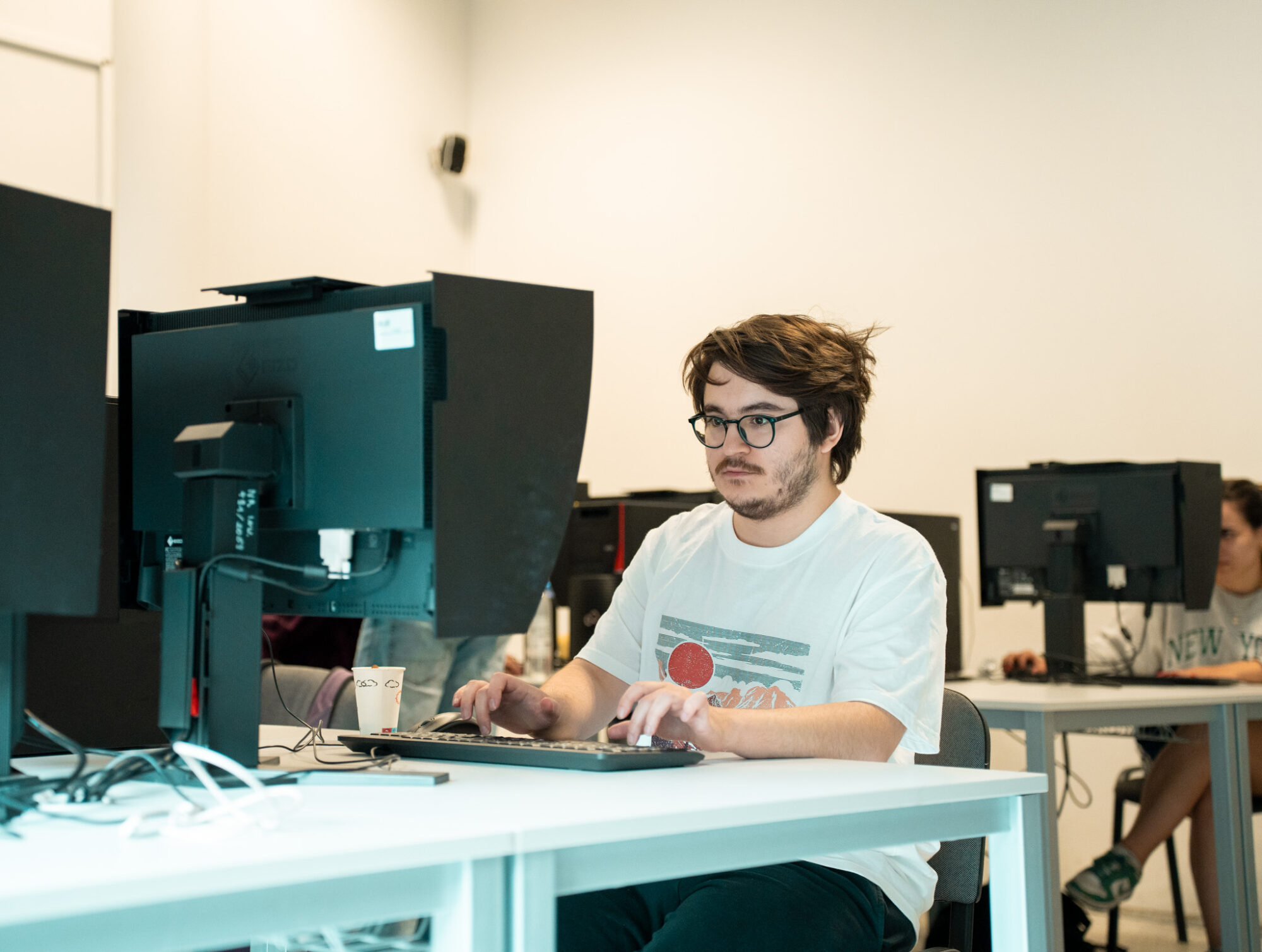
previz&layout:artistfrom storyboard to animation
Workshops devoted to the role of the Previz & Layout artist in the process of creating animated films, game cinematics and VFX projects. Participants will learn how pre-visualisation and layout can be used to effectively plan visual narratives, optimise the production process and support the work of the creative team. The classes combine theory with practice, offering participants a case study analysis from production brief through planning and implementation.
Workshop programme:
Introduction: The role of Previz & Layout in production planning. Discussion of how pre-visualisation supports the director and team in the stage of planning scenes and shaping the rhythm of the story through editing.
Working with the director and storyboards. How to interpret storyboards, develop them and translate them into dynamic 3D shots.
Building a visual narrative before animation begins. Creating a coherent visual message that supports the film’s drama even before animation production begins.
Previz tools and workflow. An overview of the most important tools and technologies used in previsualisation.
Case study: from brief to final effect. Analysis of a selected animation sequence – from the brief stage, through planning, to the final result on screen.
Q&A session – an opportunity to discuss participants’ own projects.
Participant profile:
The workshops are aimed at people who want to explore the process of previsualisation and layout in film, animation and game cinematics productions. Participants should be interested in combining visual storytelling with technology and teamwork in a production environment.
Aspiring Previz and Layout Artists who want to learn about the industry workflow,
directors, animators, storyboard artists and editors, who want to better understand the preparatory stage before animation,
students of film, animation and VFX
Co-financed by the Minister of Culture and National Heritage as part of the Creative Industries Development Centre’s own programme: Development of Creative Sectors
Read on...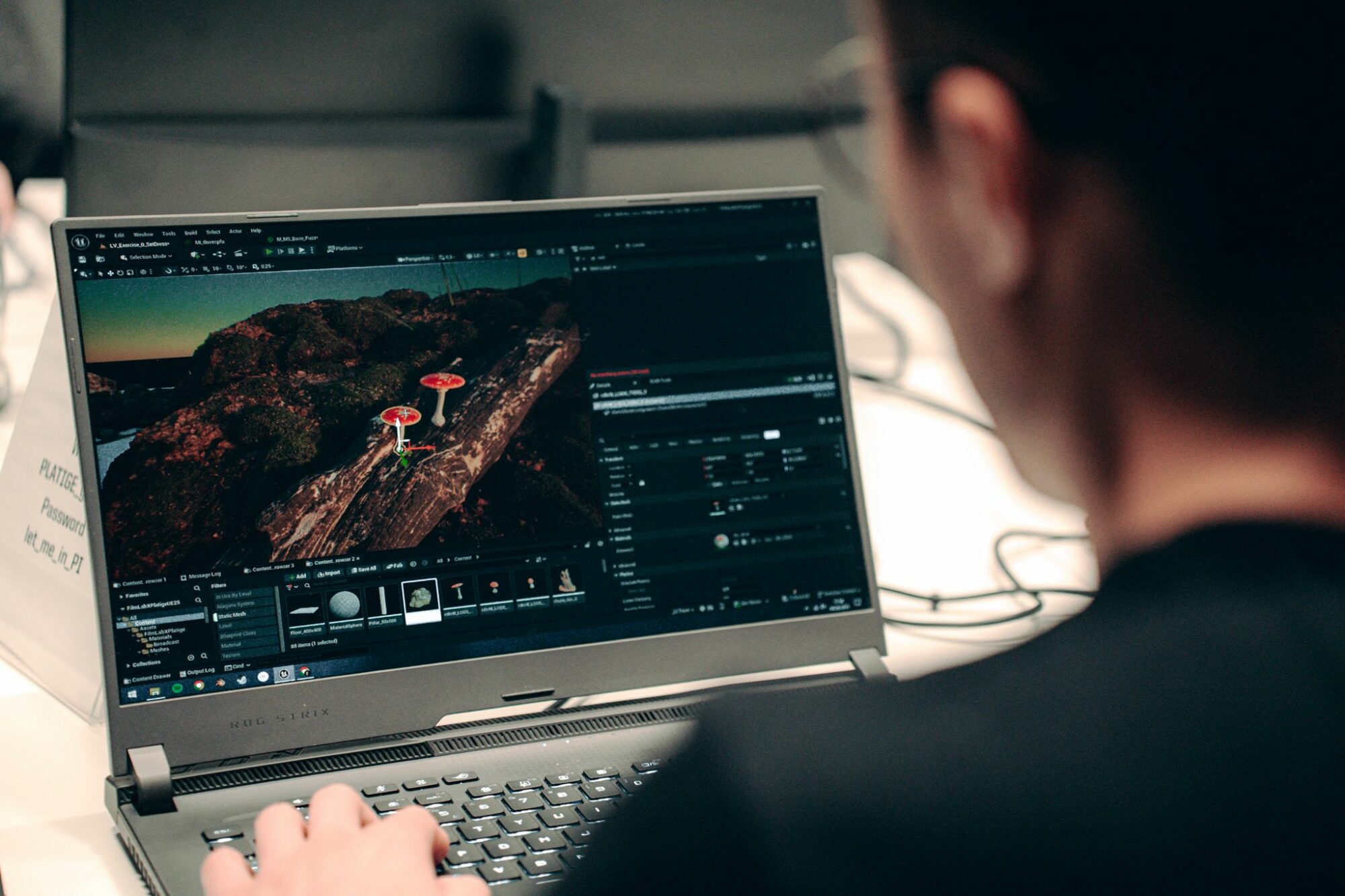
unreal:engine:generalist
Workshops devoted to creating film projects in the Unreal Engine 5 environment, which will introduce participants to the world of virtual film production and interactive 3D narratives. The classes take the form of practical exercises under the guidance of an expert. During the course, participants will build their own animated scene, developing skills that will enrich their portfolio.
Workshop programme
Introduction to Unreal Engine 5 – learning about the interface, basic tools and workflow of the programme.
Building a virtual environment – creating a 3D space, introducing models, lighting, cameras and characters.
Creating a film narrative in UE5 – telling a visual story using shots, camera movement and frame composition.
Cinematic Workflow – the basics of working with the sequencer, animation and preparing scenes for rendering.
Exporting and finalising the project – correctly preparing and exporting material for presentation.
Practical project – starting work on an animated scene based on references, from concept to render.
Workshop participant profile
The course is aimed at people who want to gain practical skills in creating cinematics in the Unreal Engine 5 environment. We invite:
filmmakers and visual artists who want to expand their skills to include real-time production,
3D graphic designers and game developers interested in cinematic storytelling,
students of animation, graphic design and film studies.
The workshop does not require advanced knowledge of UE5, just basic knowledge of 3D and a willingness to learn in an intensive, practical format.
Participants must bring their own equipment and the latest version of Unreal Engine 5.6.
Co-financed by the Minister of Culture and National Heritage as part of the Creative Industries Development Centre’s own programme: Development of Creative Sectors.
Read on...
assistant:editor
What will be covered in the workshops (among others):
What does the work of an assistant editor involve?
Organising materials, folders and project structures
Synchronising image and sound (multicam, clapperboards, timecode, etc.)
Formats, exports, proxy files – step by step
Backup, data security, post-production workflow
From the set to the editing room – the real role of an assistant in film and television production
Practical training with real materials – computer exercises
Co-financed by the Minister of Culture and National Heritage as part of the Creative Industries Development Centre’s own programme: Development of Creative Sectors
Read on...
How not to burn out in the creative industry
The workshop ‘How not to burn out in the creative industry’ is a space for reflection and empowerment for people working in the world of art and media.
Topics to be discussed during the online training:
1. Burnout among creators – how to recognise and prevent it
2. Creative stress: where it comes from and how it works
3. Career planning: a map of goals and values
4. The voice in your head: working with your inner critic
5. Belief table
6. Self-acceptance and professional self-esteem
7. FOMO, pressure and comparison
8. The FOMO mechanism and its effect on creators
9. Social media and the distorted image of success
10. How comparison works and what we can do about it
The cost of participation in the training is PLN 100 net (PLN 123 gross).
Read on...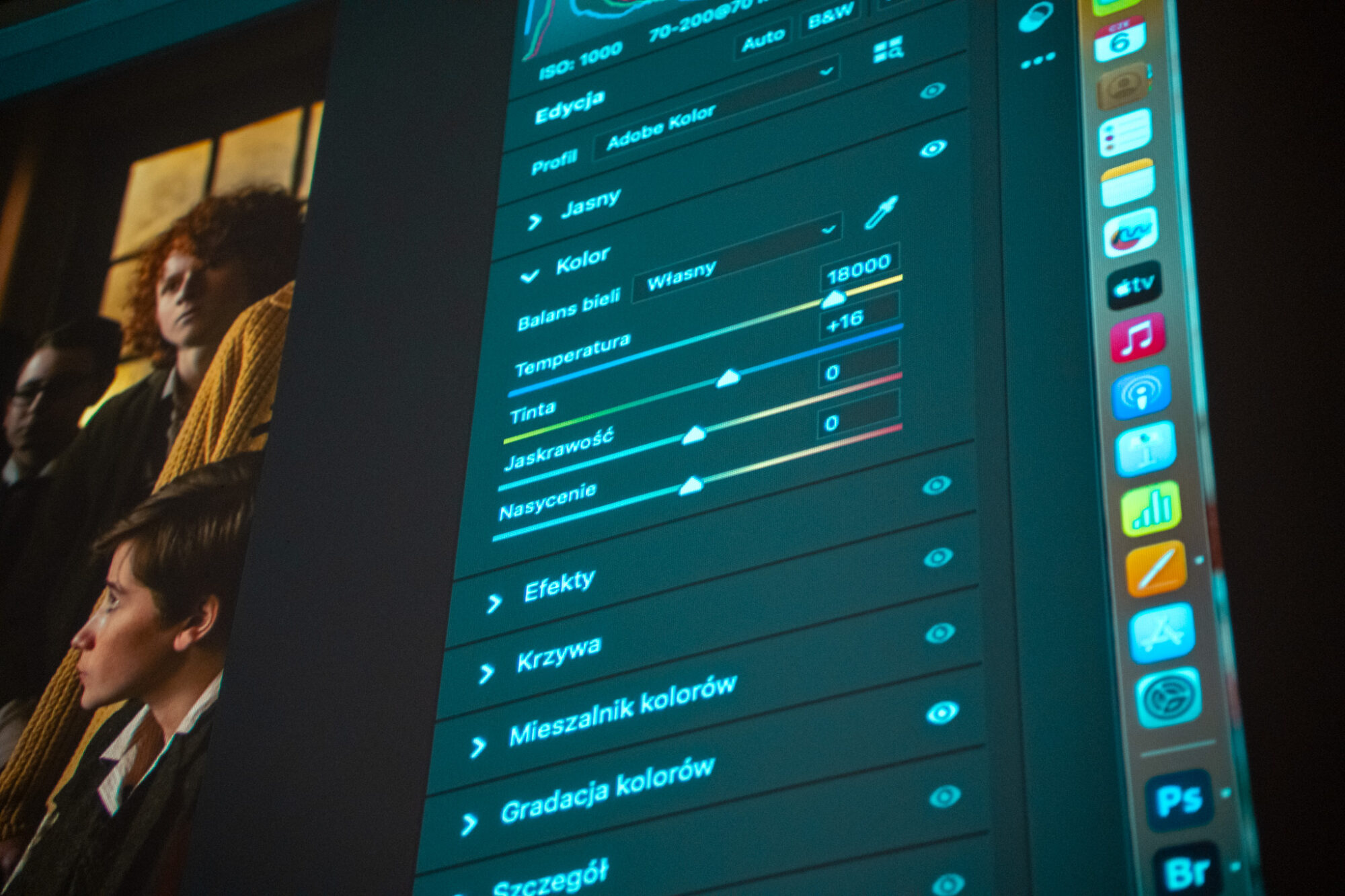
set:photographer
The workshop will consist of:
1. a theoretical part – using selected examples from the photographer’s personal portfolio – describing the specifics of a still photographer’s work, their role and importance, presenting the tools and characteristics that a still photographer must have in order to deliver the best photographic material to promote the film.
2. a practical part on the film set.
The workshop is supported by KBF Kraków Film Commission.
Read on...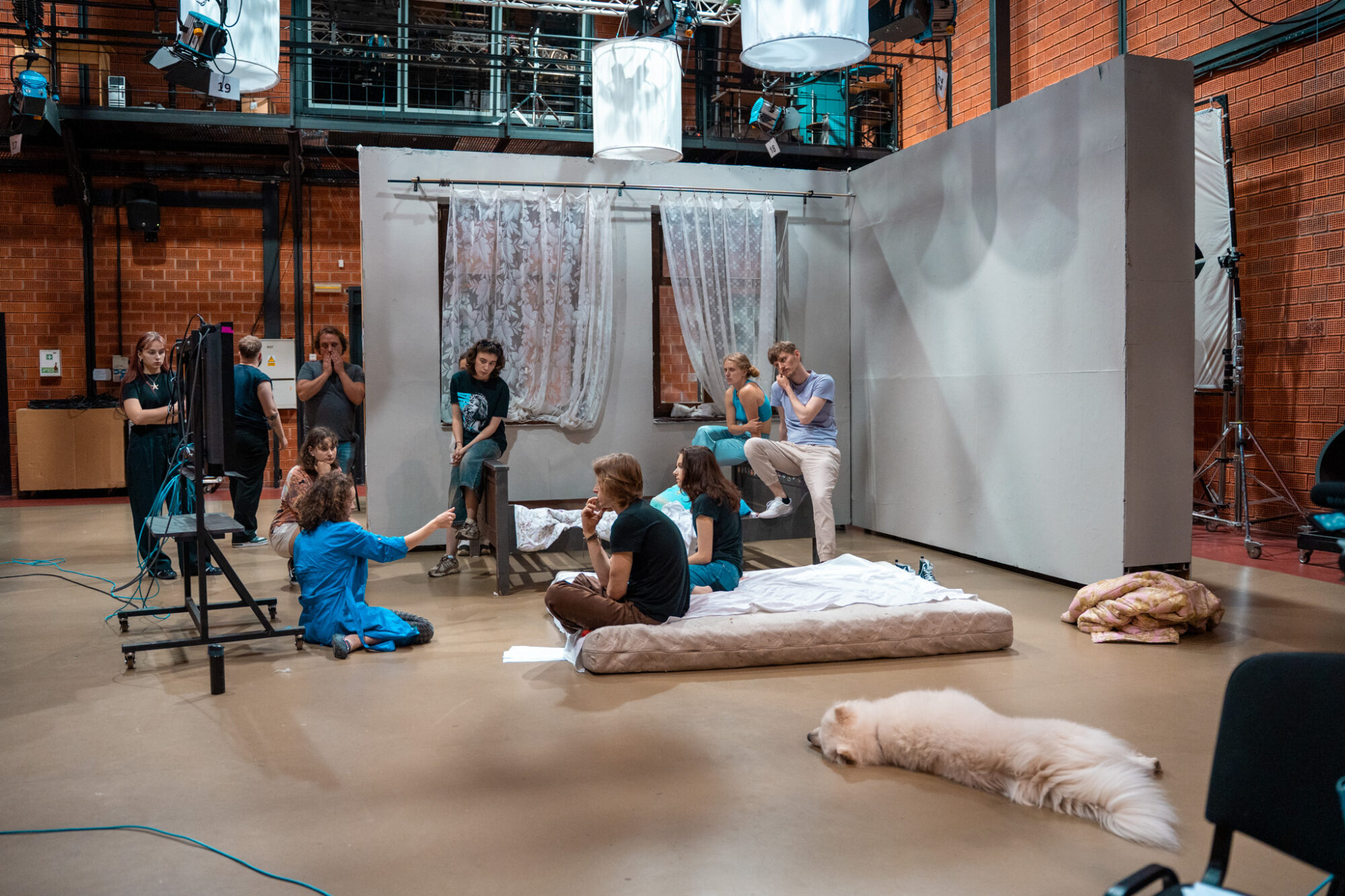
intimacy:coordinator
A professional intimate scene begins with a good setup – not only cameras, lighting, and blocking, but above all relationships, communication, and creative awareness.
The INTIMACY SETUP workshop is a practical guide for directors and cinematographers who want to create intimate scenes with respect, safety and a full understanding of film language for everyone on set.
Facilitators: INTIMACY DUO – Kaja Wesołek-Podziemska, Marta A. Zygadło
Duration – workshop: 3 days x 6 hours (clock hour – 60 minutes)
Workshop objective:
The aim of the workshop is to equip directors and cinematographers with practical tools for planning, directing and shooting intimate scenes in a professional, safe and artistically conscious manner – respecting the boundaries of actors, the principles of consent and cooperation with the intimate scenes coordinator.
You will learn:
• what an intimate scene is
• what the language of communication about intimate scenes is
• how to build proper communication with the team and actors
• how to manage your creative process
• how to build safety in discomfort
• what choreography tools are used in the realisation of intimate scenes
• what the process of coordinating intimate scenes is and how to work with an intimate scene coordinator
• how to plan shots while respecting the boundaries of actors
• how to translate emotional tension into images – without crossing boundaries.
Artistic vision + empathy + technique = a professional setup for every scene.
After completing the workshop, participants will acquire the following skills:
1. Conscious planning of intimate scenes
– creating concepts and visual language while considering the boundaries of actors and safety requirements.
2. Effective collaboration with the intimate scene coordinator
– understanding their role, processes and tools, and how to best integrate them into the creative team.
3. Communication with actors in the context of sensitive scenes
– conducting conversations about consent, setting boundaries and needs without pressure.
4. Practical directing and cinematography tools
– framing, camera placement and blocking techniques that support the narrative without exploitation.
5. Recognising and avoiding risks on set
– in the context of intimacy, emotions, hierarchy and responsibility.
6. Building a safe creative atmosphere
– in which all team members can act with respect, openness and awareness of boundaries.
:DIT
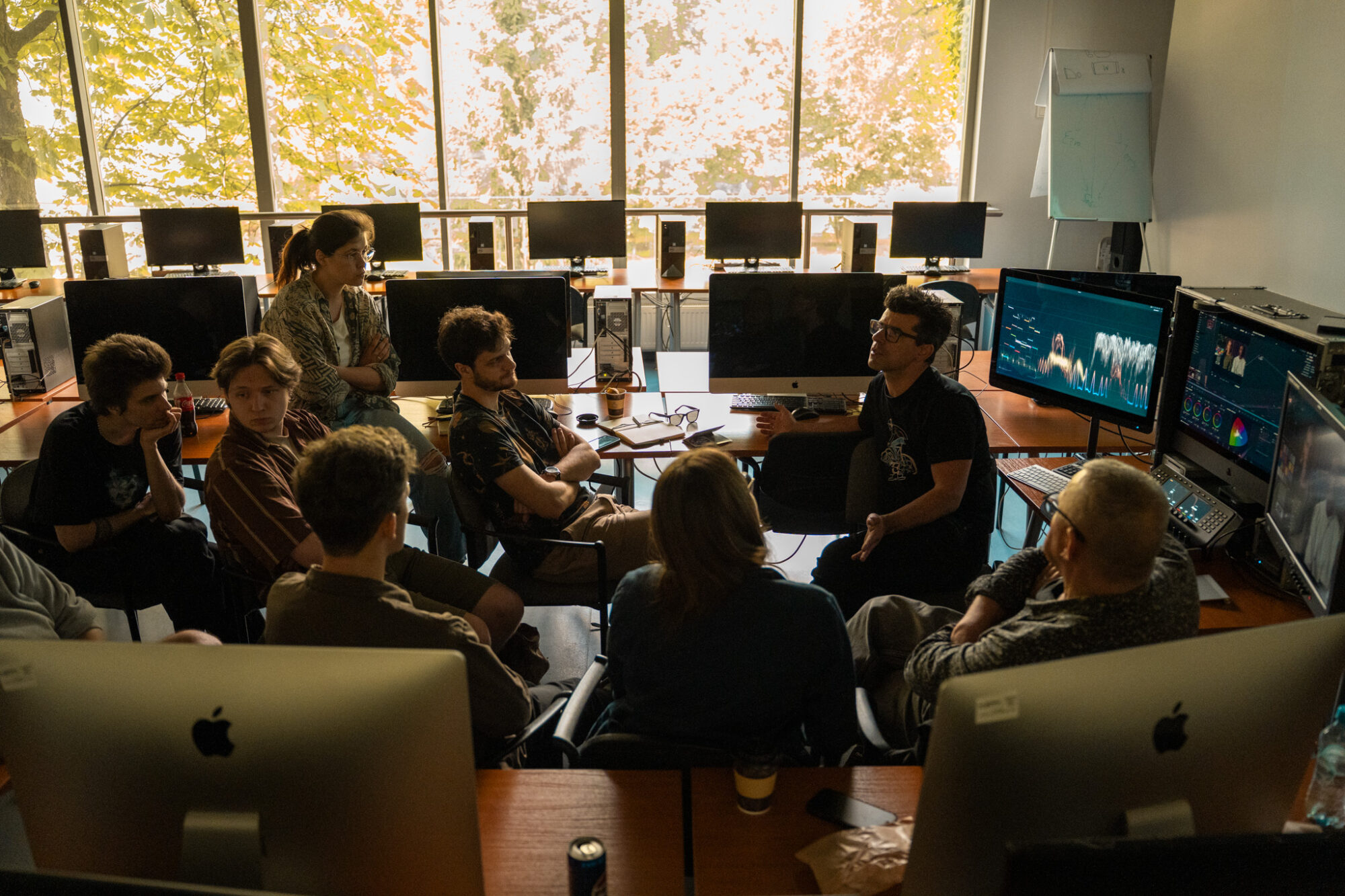
During the workshop, participants will go through the entire film production process, ending with colour correction.
The following aspects of DIT work will be discussed:
– Preparing a visual and colour concept – combining the vision of the director, cinematographer, costume designer and set designer, searching for references and discussing them (e.g. using ShotDeck)
– Analysis of the film production process in terms of DIT work – from preparation, through shooting, editing, conforming, special effects and colour correction
– The safest Data Wrangling processes with an overview of commercially available software, considering the requirements of various companies (e.g. Netflix). Walking through these processes on set and discussing factors that influence them, such as different cameras, readers, speeds, transfers, etc.
– Preparation of materials for editing directly on set (so-called dailies)
– Colour management, i.e. ACES, Davinci Intermediate or Colour Space Transform, and all related concepts, such as IDT, ODT, Colour Gamut, Colour Space, etc.
– HDR production
– Colour correction process (based on the case study ‘Ołowiane Dzieci’ [Lead Children])
In the practical part, which will mainly take place in Davinci Resolve, the operation of Colour Management will be tested in practice (effects and differences based on the analysis of materials from the set). Participants will learn how to create a look, known as Look Development, discuss the tools available to help with this, and those that are built into and available directly in DaVinci. They will learn about and discuss in detail the Davinci Resolve Mini Panel for colour correction – its application, capabilities and how to use it efficiently.
Read on...
distribution:and:market:strategist26.05.-29.05.2025
The course consists of four days of sessions focused on important issues related to the international film market, festivals, distribution, sales and legal aspects. Combining lectures, case studies and practical tasks, participants will have an excellent opportunity to explore the topics presented in depth under the guidance of leading industry representatives.
On the first day, participants will gain practical information on navigating the international film market. This interactive workshop covers a strategic approach to film festivals, followed by an introduction to international sales and distribution, including VOD and beyond. The workshop will be led by Emma Caviezel.
Next, Anna Huth, in a module devoted to impact campaigns, will walk participants through the process of designing strategic plans for marketing campaigns that correspond to the main themes and objectives of the film. During the workshop, participants will learn about tools to help them identify target audiences, build partnerships and establish collaborations with festivals, NGOs and the media to maximise the social, political and cultural impact of the film.
Babette Dieu offers a practical introduction to navigating film markets. Emphasis will be placed on strategy building – from setting clear goals and selecting the right events to pitch projects to making meaningful industry contacts. Participants will take a closer look at two key film markets in the world – the Marché du Film in Cannes and the European Film Market in Berlin – learning about their specific characteristics, programmes, offerings, and the benefits and opportunities that come with participating in them.
The workshop will take place on 26-29 May in Babelsberg, Potsdam.
The fee for participation in the workshop is PLN 500 net + 23% VAT (the price includes accommodation in Potsdam).

1st:assistant:director26–27 May 2025
During the two-day workshop on the profession of 1st AD, issues related to the role and tasks of an assistant director will be explored. Using excerpts from feature film scripts, participants will take part in a case study focusing on the duties and details of the 1st AD’s work. Topics related to translating the script into a schedule and planning shots, as well as methods for resolving potential conflicts and problems, will be addressed. Stephan specialises in working with stuntmen, special effects, SFX, explosions, helicopters and boats on set. These are just some of the aspects of working in difficult conditions that will be discussed during the course.
The workshop will take place on 26-27 May in Babelsberg, Potsdam.
The course fee is PLN 500 net + 23% VAT (the price includes accommodation).
Read on...
assistant:location:manager23–25 April in Katowice
We invite you to attend specialised workshops devoted to the role of a location manager assistant. This is a unique opportunity to gain both theoretical and practical knowledge necessary for effective work on film and television productions.
During the classes, participants will go through the entire process of working on locations – from script analysis, through scouting, set design and technical documentation, to the legal, logistical and organisational aspects of renting and preparing a film set. They will learn how to effectively search for and adapt locations and what formalities are involved in renting them.
The workshops will also provide a better understanding of the importance of cooperation with the cinematographer, set designer and director, as well as effective coordination with other members of the film crew. Relations with residents and location owners will also be discussed, as well as ways of dealing with logistical and technical challenges on set.
The programme combines theory with practice – it includes lectures, case study analysis and field exercises that will allow participants to face the real challenges of this role. It is an excellent opportunity for those who want to develop in the film industry and gain the practical skills necessary to work as an assistant location manager and location manager.
PLEASE NOTE! Registration is a two-step process – you must complete an application form and a practical task (describe two locations and link them to your individual profile on team4set.pl).
Read on...
assets:designer
Workshops on designing 2D assets (characters and backgrounds) for medium- and high-budget animated productions. The workshops will familiarise participants with the principles of character and layout design that will capture the spirit of the film story, be interesting and intriguing, while clearly communicating emotions and facilitating the work of animators. During the four days of meetings, participants will go through the entire design process, from preliminary sketches to finalised designs of basic layouts and characters – their rotations, emotional states and lip-sync.
Read on...
storyboard:artist
The storyboarding workshops are aimed at people interested in visual storytelling. The first day includes a theoretical introduction, analysis of the principles of frame composition and narration, followed by practical exercises in storyboard creation. On the second day, participants refine their projects, working on scene flow and visual expression. The workshop ends with a review of the work, a discussion of techniques, and tips for further development.
Read on...
animation:production:manager
The workshop ‘2D Animated Film Production Manager’ is a practical guide to the entire process – from project development, through pre-production, animation and post-production, to team management and international cooperation. You will learn how to effectively plan and implement animated productions using various technologies, both in the studio and with freelancers.
Co-financed by the Minister of Culture and National Heritage as part of the Creative Industries Development Centre’s own programme: Development of Creative Sectors.
Read on...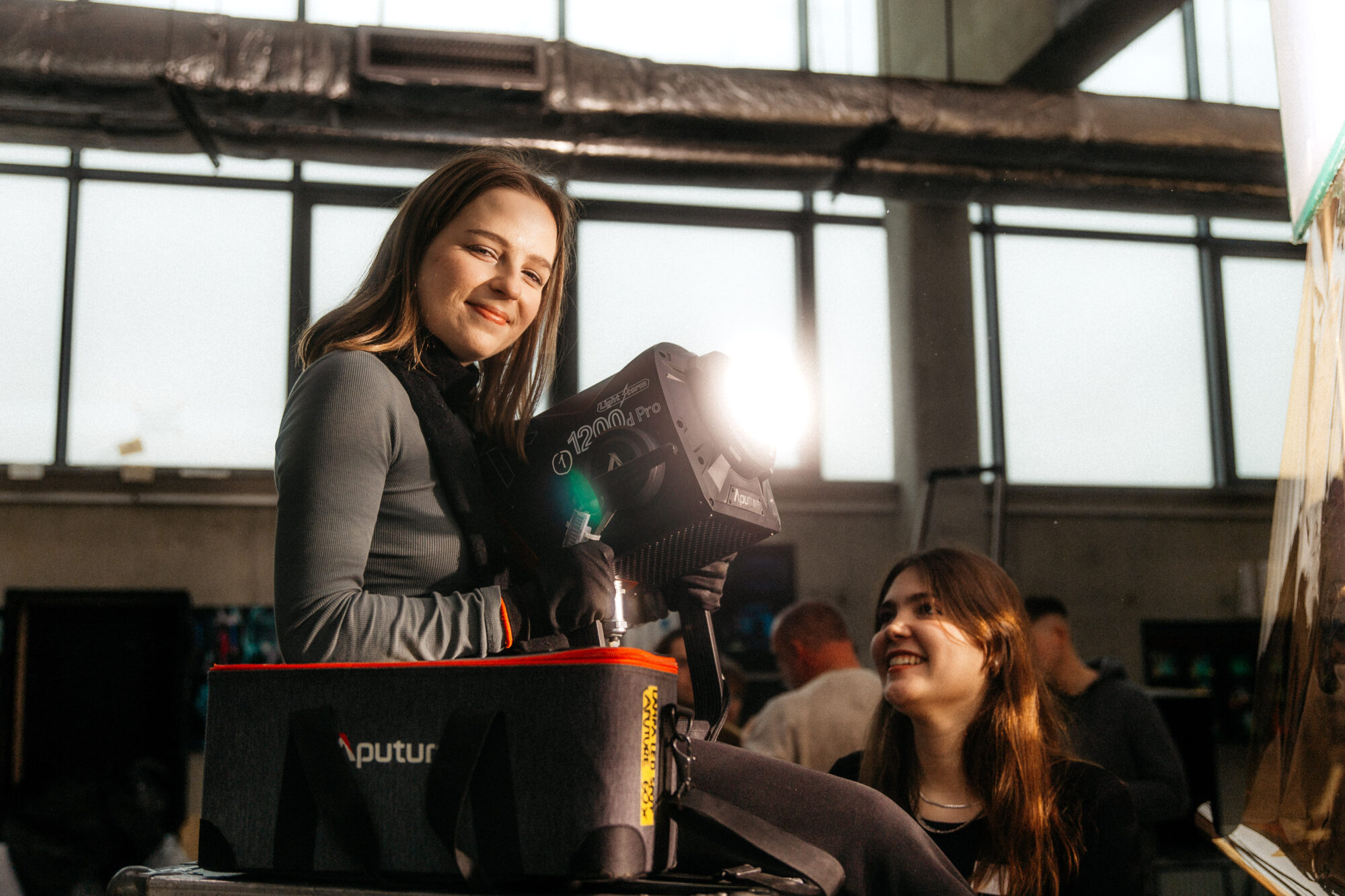
gaffer:in:animation
The first day of the workshop will begin at Cinelight rental, where participants will learn about the professional equipment used in animation. The specifics of lighting technicians’ work in animated production, differences from live-action films, and the importance of precise light control will be discussed.
Participants will then move on to the practical construction of lighting variants with decoration, testing different lighting scenarios and their impact on the mood and perception of the scene.
The workshop will conclude with an exploration of alternative lighting methods and non-standard light sources that allow for unique visual effects to be achieved.
Read on...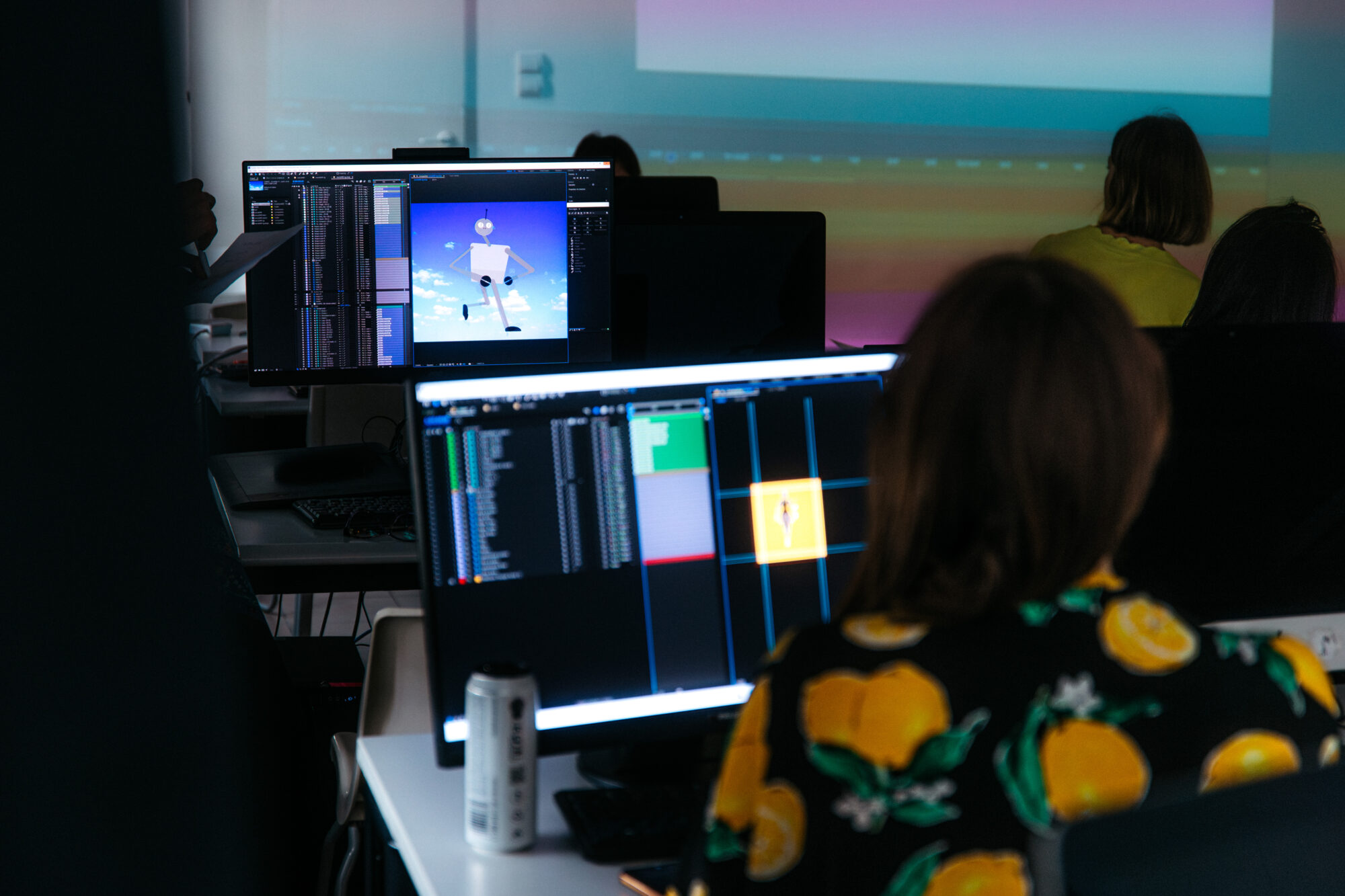
technical:animator
We invite you to the next edition of the technical animator workshop! During this three-day practical course, participants will learn, among other things:
– how to prepare graphics for rigging
– what vector and raster rigging looks like using tools and plugins in After Effects
– how to design movement such as running or walking, basic time divisions, and the use of commands for looping
– how to embed moving characters in scenery and the basics of preparing 3D compositions in After Effects
Participation in the workshop is free of charge.
script:doctor3.10.2025-4.10.2025
The workshop is aimed at people interested in feature film development and the role of the story editor – a key link between producers, screenwriters and directors.
Participants will learn about the process of working on a project, from the initial concepts to the final drafts of the screenplay and will find out how to effectively support the development of a project, considering creative and production aspects.
During the classes, we will discuss the key elements of a screenplay and analyse the practical methods of a story editor’s work. Participants will gain the basic knowledge and practical skills needed to effectively support the feature film development process.
Read on...
production:manager – contracts with the crew
The aim of the workshops is to identify legal aspects relevant to workshop participants so that they can properly protect their interests in the contracts they enter. The workshops will result in a contract template developed jointly and tailored to the participants’ needs. The workshops are aimed at BTL, i.e. film crew members who are not creators.
The workshop was developed in cooperation with the law firm dotlaw Skrzywanek Stępniowski i Wspólnicy sp. k.
The workshop will take place in Wrocław.
Read on...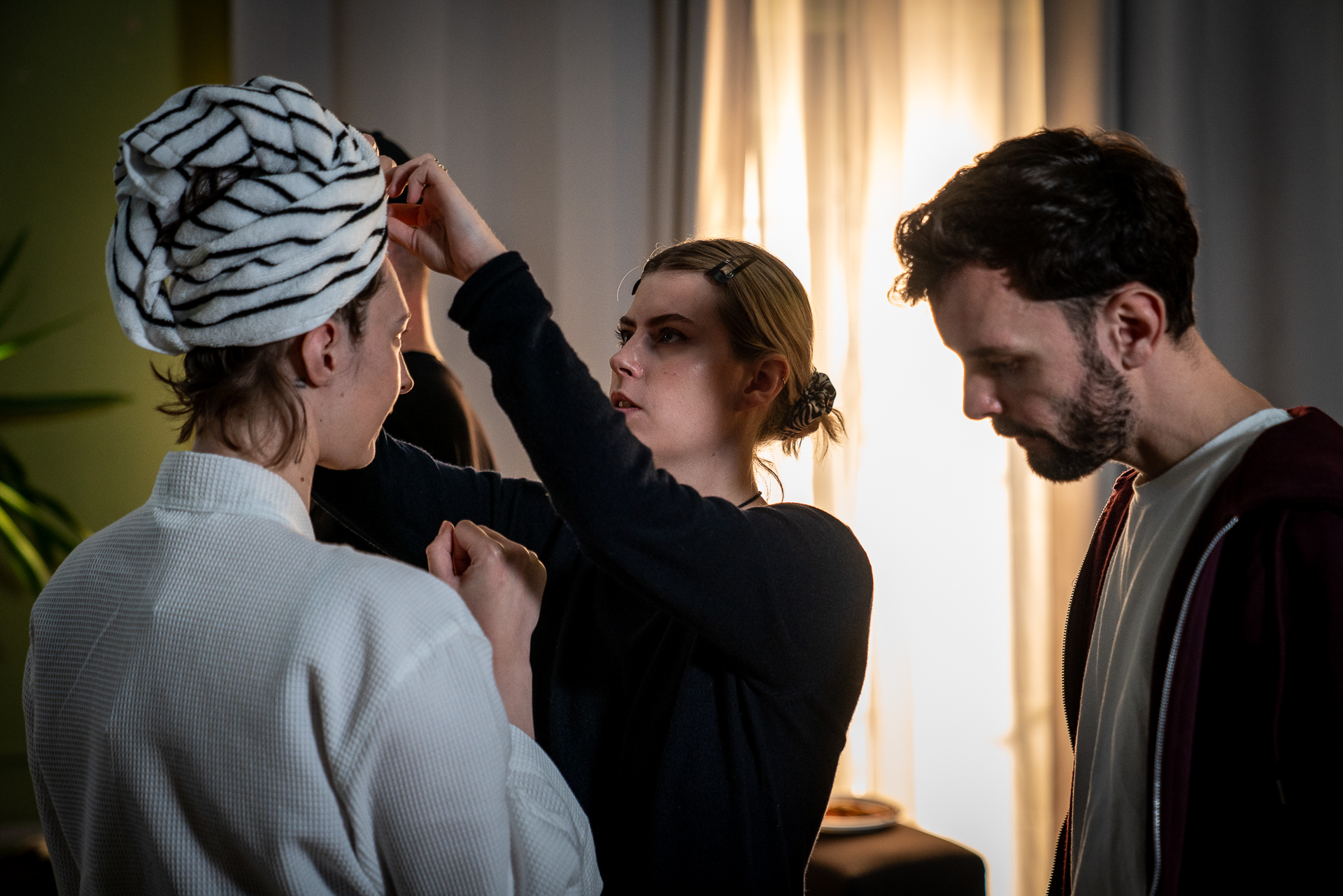
assistant:costume:designer
The costume assistant workshop was developed in cooperation with the Feature Film Studio in Wrocław.
During the workshops, participants will learn how to support costume designers in creating costumes on set, from design to implementation. The training will cover both technical and artistic aspects that are essential to understanding the role of costume designers in film production.
The workshops will be led by Maria Duffek.
Detailed schedule
Day 1:
Introduction of participants and discussion of their training needs.
Discussion of the basic tasks of a costume designer’s assistant, their role in the costume design team, and their professional rights and obligations.
Analysis of the technical design and precise drawing, as well as the impression of the costume.
Day 2:
Historical periods in film and searching for inspiration for historical and futuristic costumes.
Work in the costume warehouse, identification of historical periods, work on the script.
Costume design based on the script.
Day 3:
Continuation of work in the costume warehouse, focus on the precise preparation of costumes.
Preparation of costumes for extras to match the costume designer’s vision.
Summary of the workshop and presentation of certificates.

data:wrangler
One of the key roles of a DIT/data wrangler is to work with both the camera department and post-production to ensure a smooth, orderly and secure flow of data and material from the set – participants in film:lab will have the opportunity to learn about the practice and theory of this profession.
An important task of the DIT is to create backup copies of the material and carefully examine it for problems, not only file damage, but also any other technical aspects that could disrupt the further production and post-production process of the film.
The data wrangler also supervises part of the post-production process, ensuring that the material is handled correctly throughout the production chain, which is why workshop participants will have the opportunity to work on material from the film set prepared by young filmmakers from the film:lab course.
Workshop schedule:
Day 1 3:00 p.m. to 7:00 p.m. Film School in Katowice, editing room
Day 2 10:00 a.m. to 6:00 p.m. Film School in Katowice, editing room
Read on...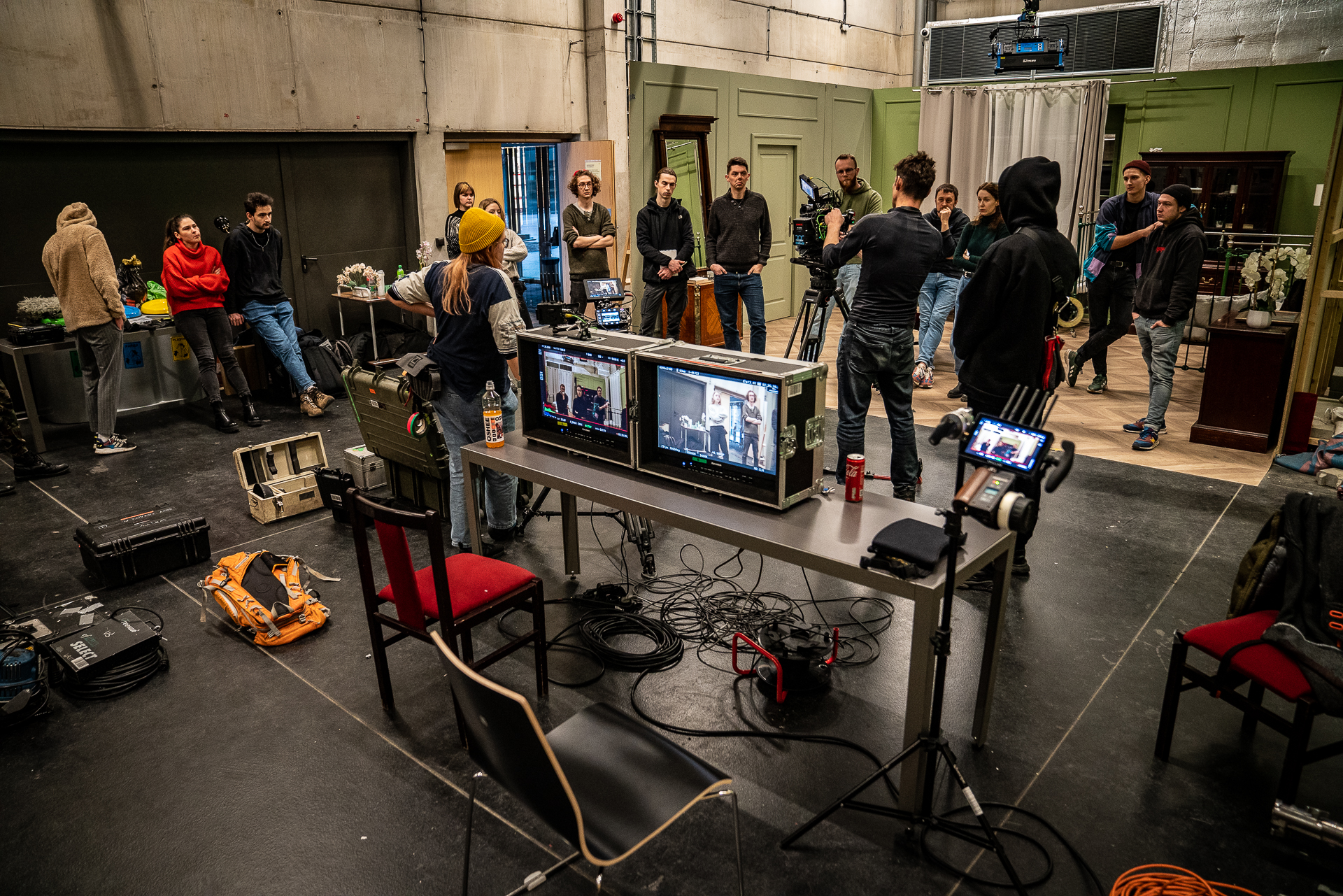
set:manager
The set manager works directly with the film production manager, organises filming, coordinates the activities of the production team and support staff on set, and ensures that the planned shots are completed efficiently each day of filming.
Workshop schedule
Day 1 9:00-15:30
Introduction: experience on set, beginnings in the industry and general tasks on set.
Next: discussion of the functions, responsibilities and work system of the production manager.
Description of cooperation with each department in turn and how each of them should perform their work.
Health and safety rules for working on set.
Rules of communication on set, ‘savoir-vivre’ at work.
Team management on a film set.
Overview of essential tools and technologies used on set.
Working on a small and large film set. Expectations vs. reality.
Group work (45 min) – analysis of cases from film sets.
Discussion of situations from the professional lives of participants.
Day 2 9:00-15:30
Practical part – organisation of a film set with participants of the camera crew workshop and the assistant director.
Read on...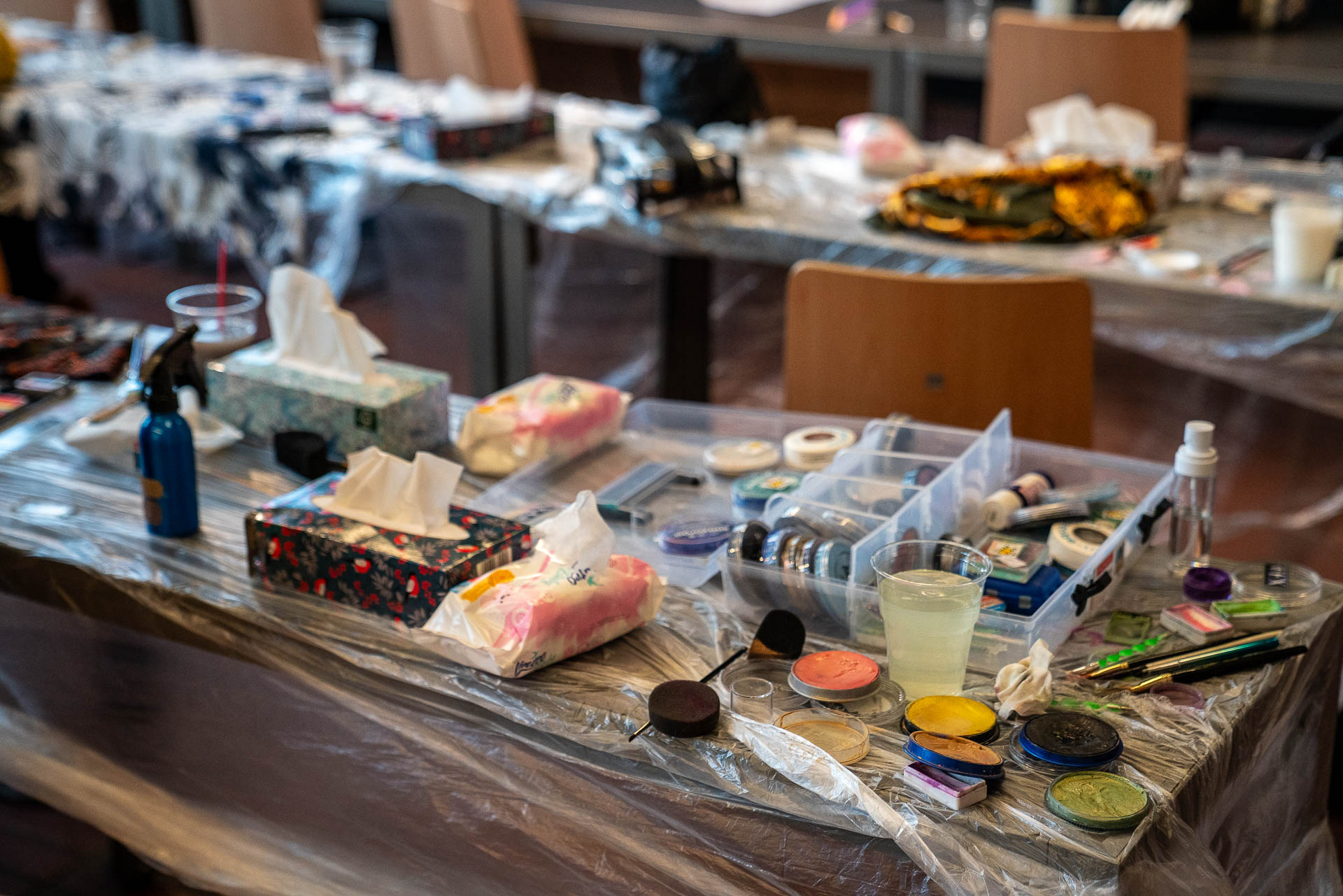
make-up:artist4.10.2025-5.10.2025
We invite you to an intensive, practical training course in film and theatre make-up! The workshops are practical in nature – each participant will work individually and in pairs, acquiring the real skills needed to work as a make-up artist.
Workshop schedule:
Introduction to practical work on a film set (types of film sets: short/feature films, etudes, documentaries, commercials; departments, communication between departments, the role of production; script reading, pre-production, documentation).
Terminology (terminology in the make-up department; the role of the head make-up artist, second make-up artist, assistant).
On set – practical work (how long does a shoot last; how to read a work schedule correctly; moving around on set; communication on set; precedence – informal or formal address? health and safety; the role of language, or how to communicate effectively within the department).
On the first day, we will go through quick techniques for ageing actors, the basics of wig making: how to properly put on and care for wigs, types of facial hair and how to apply them.
On the second day, you will independently create minor wounds, learn the basics of sculpting and casting, and apply and paint special effects.
Read on...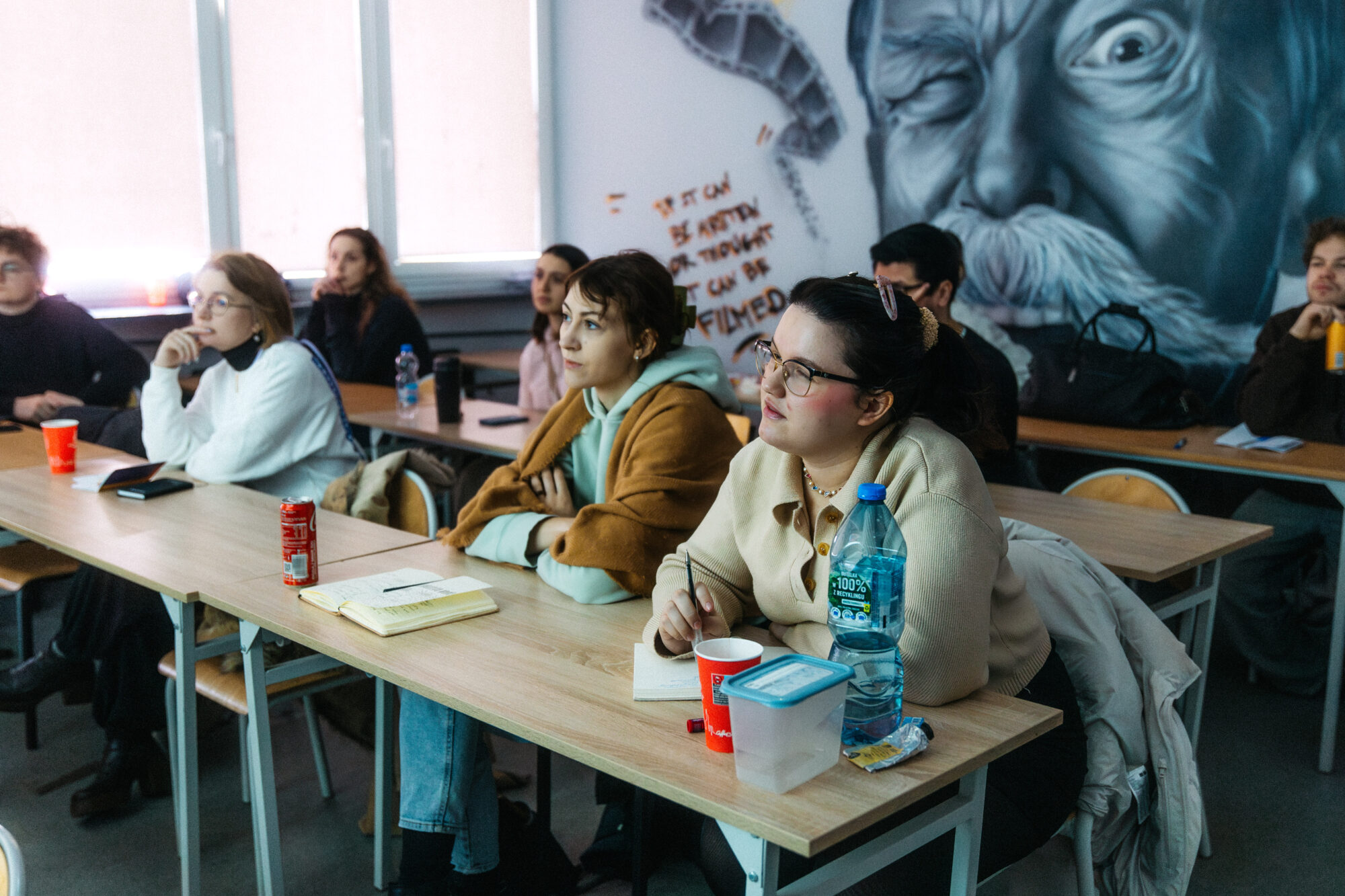
assistant:director
An assistant director does more than just serve coffee! During the workshop, we will take a closer look at this role – one that is quite inconspicuous, but essential for the smooth running of a film set. In the theoretical part, I will talk about the duties of an assistant during pre-production and filming. We will talk about working with the director, second director (on set and in the office), as well as with members of various departments and actors. As part of the practical tasks, we will analyse scenes in terms of staging and look for common solutions to difficult situations that may arise during filming. Finally, we will try to answer the questions: can an assistant director have a creative influence on the final effect of a film, and what can the experience gained in this role give us in the next stages of our film career? The workshop lasts two days.
Read on...

sound:engineer
DAY 1
Basics of sound production on set
A. Film set hierarchy
B. Systematics of activities in the sound department
C. Equipment selection – basics
D. Room acoustics
E. Cooperation with the costume and set design departments
F. Problem – action
G. Thinking in terms of sound and image editing
H. Synchronising image and sound – methods
I. Car scenes
DAY 2
Controlled practical exercises
A. Microports
B. Practical part
C. Analysis and summary
DAY 3
Controlled practical exercises
A. Boom/div>
B. Practical part
DAY 4
Supervised practical exercises
DAY 5
Practice on a staged set/div>
Theoretical part:
Script analysis and determining sound requirements.
Planning microphone placement and recording sound on set.
Practical part:
Recording sound on location (gimbal)
In parallel: Recording consultations
Recording sound outdoors (gimbal)
Techniques for recording sound outdoors in various weather conditions.
Eliminating unwanted noise and interference.
In parallel: Recording consultations.
Summary:
Summary of recorded audio material and summary of the training.
Read on...
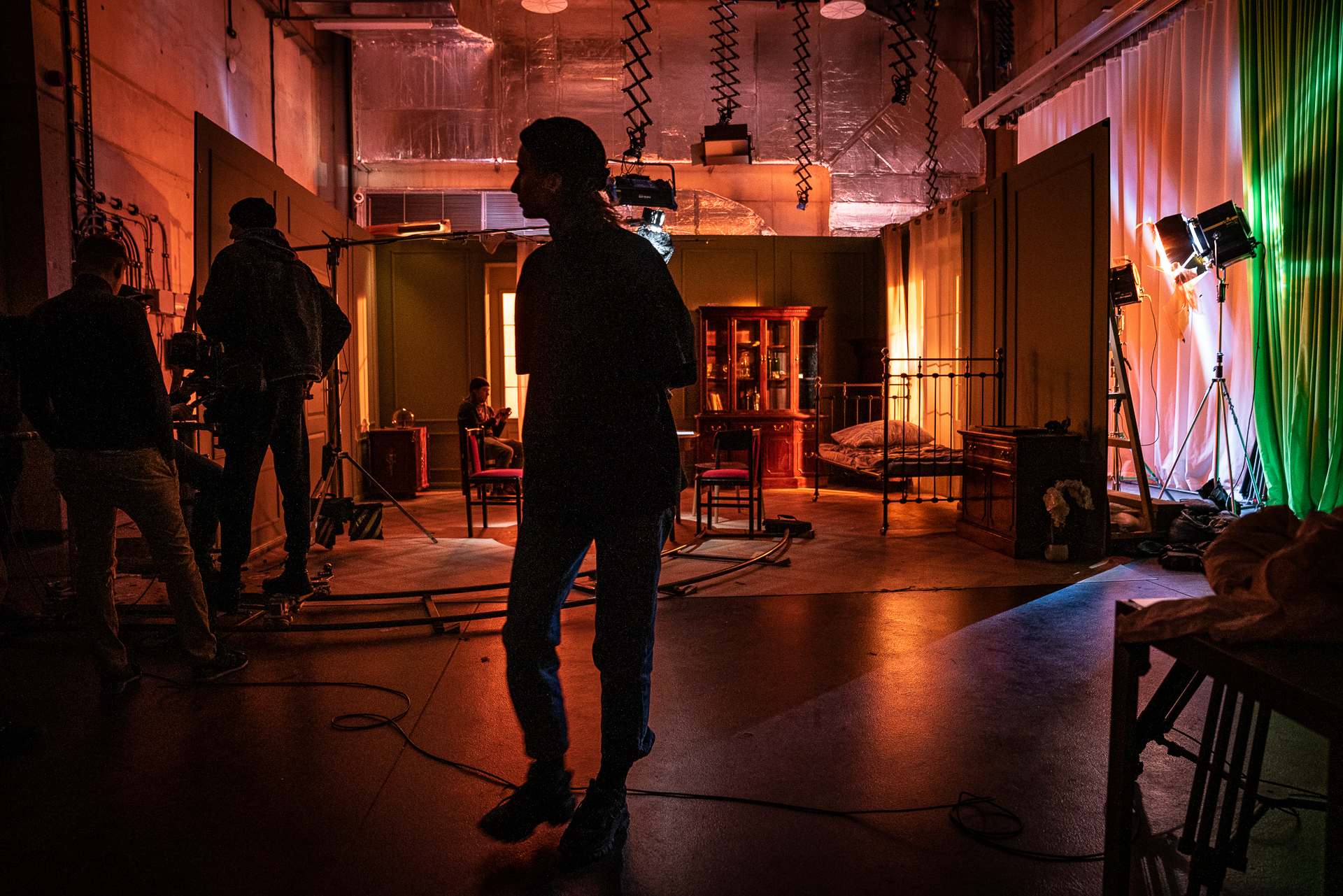
casting:director’s:assistant
The course is aimed at people with at least secondary education and initial experience in filmmaking who are interested in film. A bachelor’s or master’s degree in humanities, law or social sciences is welcome.
The aim is to provide practical training in the profession of Casting Assistant, to acquire reliable knowledge and skills in working with the Casting Director, actors, acting agencies and casting platforms in the process of creating the cast for a film or series.
Course participants will learn about the role of the casting director in films and television series. This knowledge will allow them to clearly define the scope of skills and responsibilities of a Casting Director Assistant at every stage of film and television series production. Classes will take the form of lectures, presentations and practical exercises.
Candidate requirements – communication skills, ease in establishing contacts with new people, discretion, precision and accuracy in action, ability to express thoughts concisely.
Messiness – not an option!
Course participants will receive a certificate of completion.
Workshop schedule:
Day 1 11:00 a.m. – 5:00 p.m. Film School in Katowice, lecture hall
Day 2 9:00 a.m. – 3:00 p.m. Film School in Katowice, lecture hall
Day 3 9:00 a.m. – 3:00 p.m. Film School in Katowice, studio
Read on...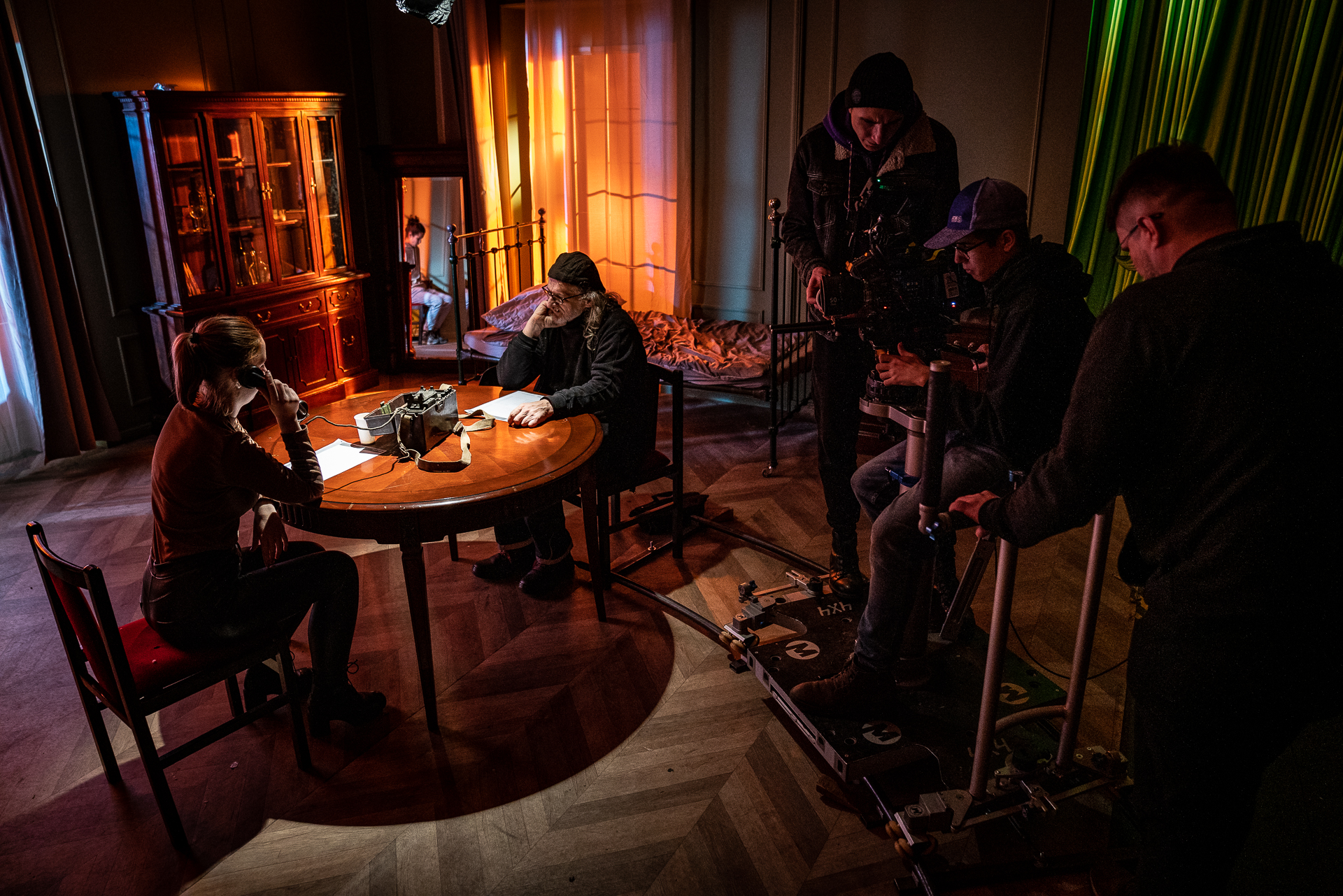
set:decorator
The workshops will be divided into two blocks:
Theoretical and practical.
On the first day, workshop participants will learn who the set designer is, what skills they should have, what their responsibilities are, and who they work with directly on set. Participants will also receive materials that we will work with as part of the set design (access to props in the studio and the opportunity to make small purchases).
The second day will be devoted to the practical part of the workshop. Participants will work on set design in a professional film studio. They will be divided into groups, each of which will create the set design for the planned scenes (working time: 2 hours). Thanks to cooperation with gaffers, the set design will be complemented with appropriate lighting, and simultaneous work with previews will allow for analysis of the resulting frames.
Workshop participants should bring sketchbooks and design tools with them.
Read on...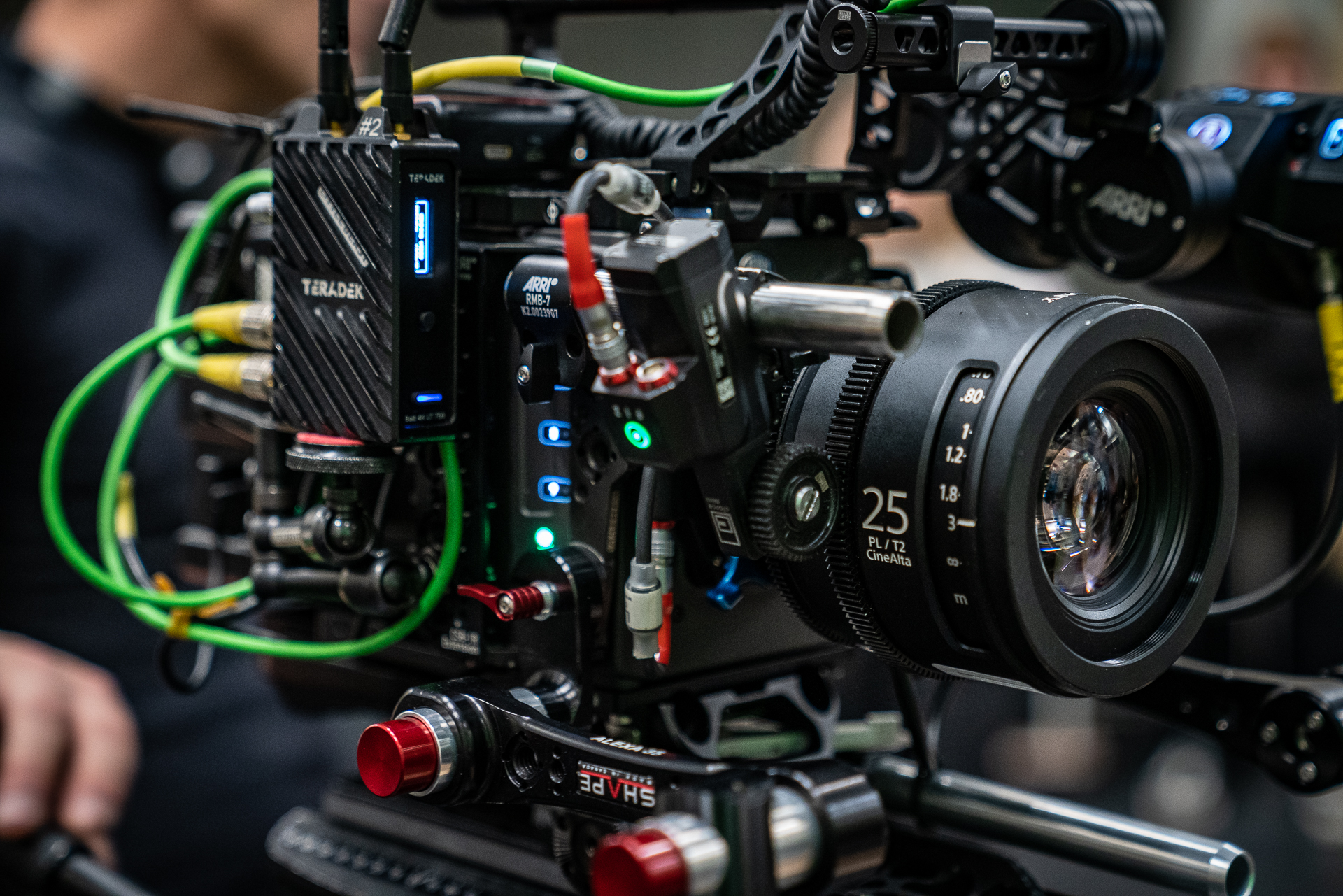
camera:operator8.12.-11.12.2025
The film workshops are aimed at camera operators. Participants will work on the visual interpretation of the script, considering the director’s point of view. The collaboration between the camera operator and the director boils down to telling the story in the best and most interesting way possible. Lighting, frame composition, lens selection and camera movement are not only aesthetic decisions, but above all narrative ones. All this shapes the story, brings out emotions and builds mood.
Read on...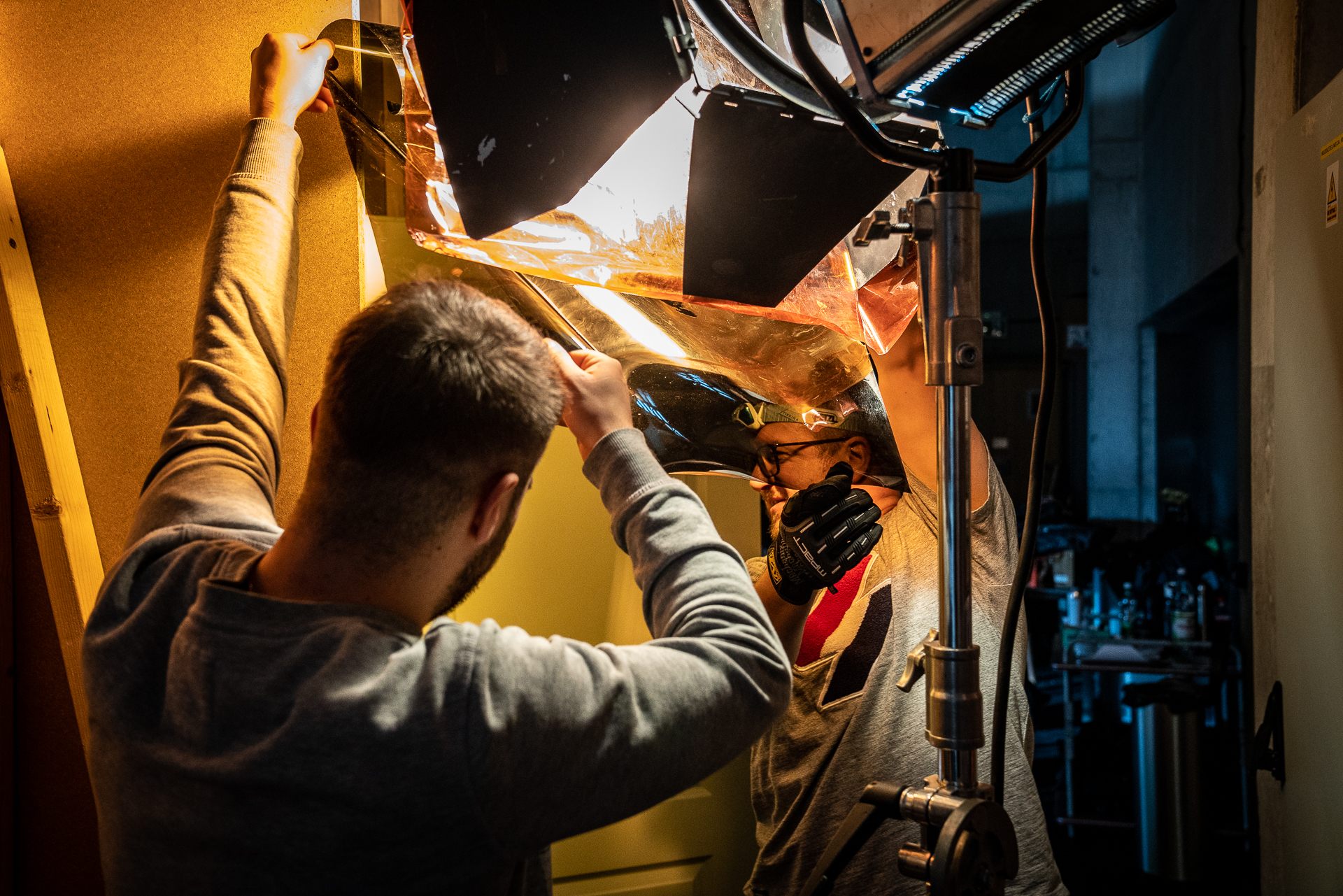
:gaffer
A lighting master, or gaffer, is the chief electrician responsible for executing the lighting plan for a film production.
During the workshops, participants will not only learn about the different types of lighting equipment used on a film set, the rules for setting up and moving lighting and electrical equipment (the first two days at the Cinelight Kraków headquarters), but also learn the secrets of lighting management and supervising a lighting crew. The lighting master works closely with the cinematographer, and the workshop will end with work on a film location and in a film studio. Participants will be able to try their hand at implementing the cinematographer’s lighting instructions for each scene in the film. During the course, you will also learn the terminology most used by gaffers and electricians on a film set.
On the last day of the workshop, you will shoot two scenes together with the participants of the set designer workshop.
Read on...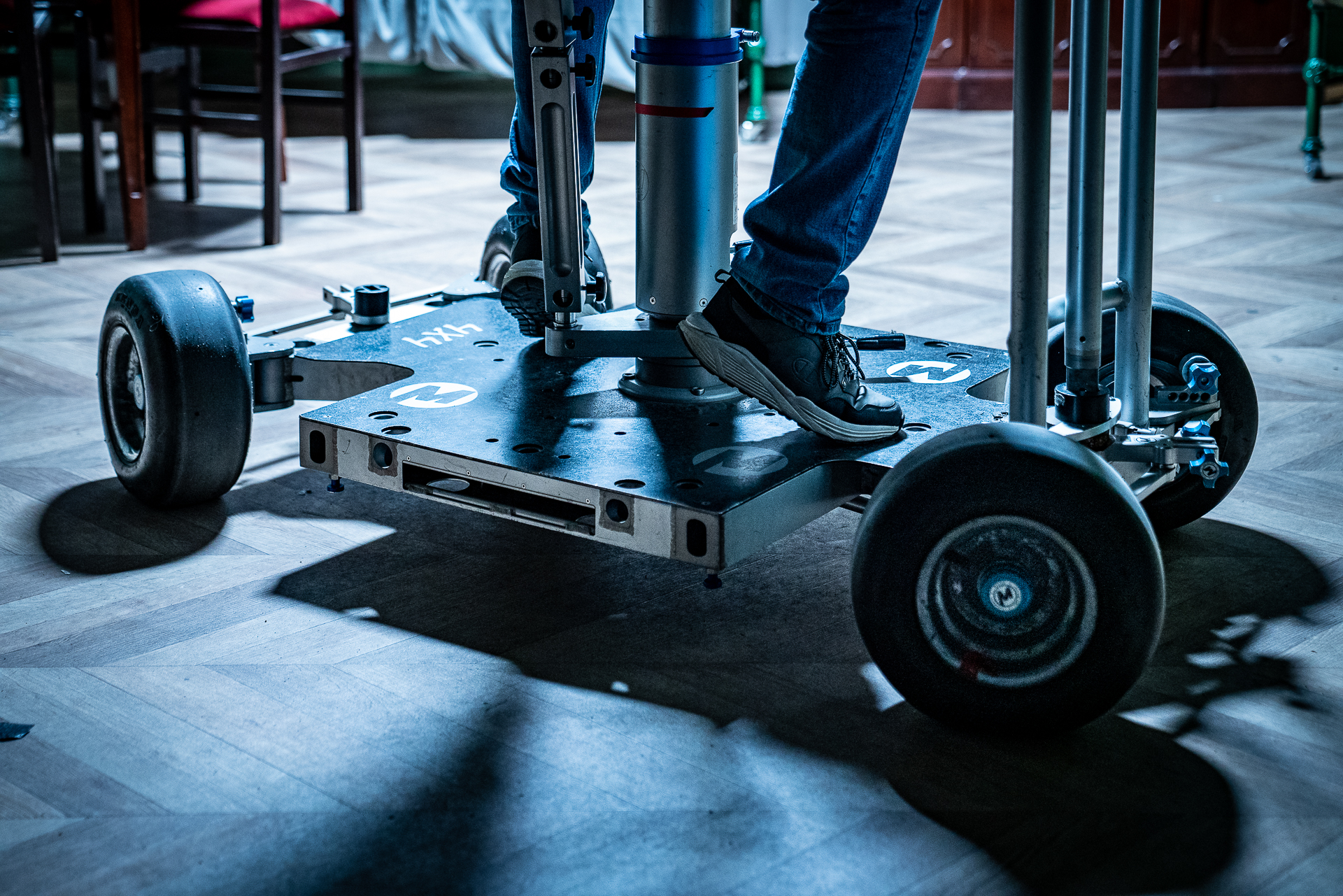
:grip
Day 1
Practical use of tools, i.e. what a gripman actually does on a film set!
Operating a dolly and laying tracks.
Assembling a car mount.
Introduction to other tools and their use.
Day 2
The theoretical part is an introduction to the profile of a typical gripman!
The history of the profession, pros and cons, health and safety, everything a gripman should know (at least in theory)!
The gripman as the camera operator’s right-hand man.
Useful skills.
Workshop schedule:
Day 1 (09:00 – 15:00 Warsaw Film School) – we will connect you with the stage manager’s workshop
Day 2 (09:00 – 15:00 Warsaw Film School) – we will connect you with the camera operator’s workshop
Read on...